
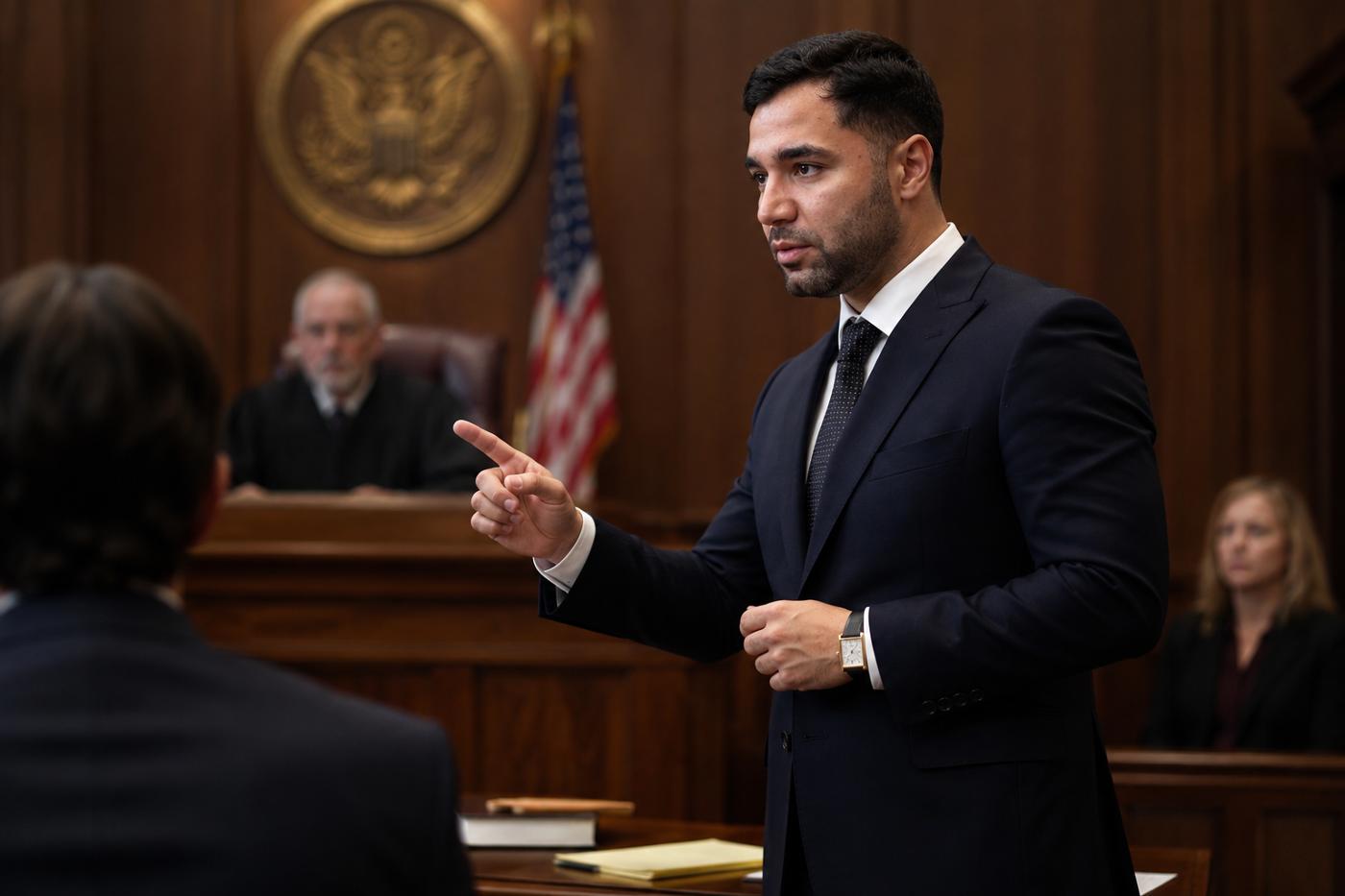
Evidence Destruction Can Tank Your Truck Accident Case in Sacramento
When a trucking company destroys or fails to preserve critical evidence after a collision, your ability to prove negligence and recover full compensation collapses. Black box data, maintenance records, dashcam footage, and electronic control module recordings are the strongest proof of driver fault, speed, braking patterns, and mechanical failure—yet these records vanish or get deleted within days when trucking companies act without legal pressure. Without objective electronic evidence, settlement offers drop significantly because carriers know they face lower jury risk and can negotiate lower payouts.
California courts recognize spoliation as grounds for serious sanctions. Adverse inferences allow judges and juries to assume missing evidence would have proven your case. Case dismissal occurs if destruction is deemed intentional. Victims who wait weeks to hire counsel discover critical evidence has already been overwritten, discarded, or lost to routine deletion cycles.
The window to act is narrow—typically 24 to 48 hours before automated systems begin overwriting critical data. Your attorney needs to send a preservation letter immediately after impact. A single day of delay can cost you irreplaceable electronic proof. Your attorney needs to send that preservation letter within days of your accident, or companies legally have no obligation to hold onto records that might expose their liability. Speaking with a truck accident attorney immediately is your single most important move—it's how you protect your claim and keep evidence intact long enough to prove negligence.
What Happens When Trucking Companies Destroy Evidence
Evidence doesn't disappear by accident. Trucking companies routinely eliminate specific categories of documentation that would otherwise establish negligence. Electronic data recorders—the black boxes inside every commercial truck—capture speed, braking force, acceleration, and driver behavior data before the system automatically overwrites them. If your attorney hasn't issued a preservation letter yet, the company faces no legal consequences for letting that data cycle through and vanish.
Maintenance records are next on the chopping block. Brake inspection logs, tire maintenance history, and mechanical repair documentation prove the company knew about defects—failed inspections, worn brake pads, bald tires—before the accident occurred. Without these records, you cannot establish that negligent maintenance caused the crash. Dashcam and onboard camera footage showing driver fatigue, distracted driving, or unsafe lane changes gets routinely deleted from company servers. Pre-trip and post-trip inspection reports—forms drivers complete before and after each shift—disappear or are never properly filed, hiding mechanical failures the company had advance notice of.
Each destroyed record narrows your case proportionally. Remove the black box and you lose proof of speed and braking. Lose maintenance logs and you lose evidence of negligent upkeep. Lose dashcam footage and you lose visual proof of driver behavior. What remains are the police report, witness statements, and medical records—weak evidence against a defense team arguing the crash was unavoidable or your injuries were minor.
Why Trucking Companies Destroy Evidence
Trucking companies have powerful financial incentives to eliminate evidence after a collision. When the black box shows excessive speed, zero braking, or distracted driving patterns, settlement costs spike. Insurance carriers know this. When evidence is missing, plaintiff attorneys cannot establish fault with the same precision, which weakens negotiating leverage and lowers what companies must pay to resolve claims.
Many trucking operations treat black box data and dashcam footage as temporary operational files, not legal evidence. Standard practice overwrites electronic control module recordings on automatic cycles as new data accumulates. Without a preservation letter from your attorney, the company has zero legal obligation to interrupt routine data management, and your evidence dies on schedule. Insurers sometimes instruct trucking company clients to "limit preserved records" to reduce discovery obligations—a tactic that works because no spoliation violation occurs until a lawyer formally demands evidence be held.
Mechanical failures and driver misconduct cost companies money through litigation settlements, increased insurance premiums, and regulatory scrutiny. Destroying maintenance records eliminates proof the company ignored known brake defects or tire failures. Deleting driver logs hides fatigue violations or unsafe conduct. The company's motivation is simple: fewer discoverable records mean fewer ways a jury can prove negligence, which means lower damages awards.
Once your attorney sends a spoliation letter, everything changes. The company now faces sanctions, damages, and adverse inferences for any destruction that follows. Evidence preservation shifts from optional to legally enforceable—failure to comply costs them money and credibility in front of a judge.
Spoliation: The Legal Consequence of Evidence Destruction
When evidence related to an accident claim or lawsuit gets destroyed or altered—whether intentionally or through neglect—that's spoliation. California courts treat it as misconduct, period. The company cannot hide behind 'we didn't know' or 'routine deletion' once your attorney's preservation letter lands.
When a trucking company destroys evidence after notice of injury or legal claim, California law permits an adverse inference—the court instructs the jury to assume the missing evidence would have supported your case. This presumption shifts the burden of proof and strengthens your claim without requiring you to locate the destroyed data. The company cannot argue the evidence was worthless or unimportant once spoliation is proven.
Sanctions for spoliation include monetary penalties paid directly to you, dismissal of the trucking company's defenses, default judgment in your favor (meaning liability is automatically established), and attorney fee awards covering the cost of litigation caused by evidence destruction. In egregious cases, courts impose case dismissal, ending the company's ability to defend the accident claim entirely.
A Sacramento attorney licensed by The State Bar Court of California can file a spoliation letter immediately after your accident, legally binding the trucking company to preserve all relevant evidence. Once that letter lands, any destruction becomes actionable misconduct with real financial penalties. Contact us within 48 hours to ensure evidence preservation and maximize your recovery.
How Black Box Data Deletion Kills Your Negligence Claim
Black boxes record the critical operational data your case depends on: vehicle speed at impact, throttle position, brake application force, steering angle, seatbelt status, and airbag deployment timing. This data is objective proof. Excessive speed, zero braking, or patterns of distraction are all logged and cannot be argued away or reinterpreted by insurance defense experts. A jury sees this data and liability becomes clear.
Once black box data is deleted, no expert witness can reconstruct it—the data is gone permanently. Without manually issued preservation orders, black box data overwrites automatically within standard operational cycles. Trucking companies can legally erase it before you hire an attorney, which is exactly why waiting costs you evidence and settlement value. Without the EDR record, your case depends entirely on skid marks, vehicle damage estimates, and witness testimony—all less reliable than the electronic proof that would have established negligence beyond question.
A Sacramento truck accident attorney must issue a spoliation letter and litigation hold notice within 48 hours of your accident to legally obligate the trucking company to preserve the black box data before the automatic overwrite cycle deletes it. Without immediate legal action, the strongest evidence of driver fault disappears forever, and your settlement leverage collapses along with it.
Understanding Spoliation Letters and Litigation Holds
A spoliation letter is formal written notice from your attorney to a trucking company demanding preservation of all evidence relevant to your accident. Once delivered, the letter creates a legal duty to preserve black boxes, maintenance records, driver logs, dispatch communications, dashcam footage, and electronic control module data. The company cannot claim ignorance or cite routine deletion procedures as a defense—the letter is proof they knew evidence mattered and chose to destroy it anyway.
A spoliation letter transforms evidence destruction from routine business into enforceable misconduct. If the trucking company deletes black box data, purges maintenance files, or discards footage after receiving your attorney's preservation notice, courts impose enhanced sanctions and punitive damages on top of your compensatory award. The company can no longer hide behind "automatic overwrite cycles"—destruction becomes intentional negligence.
A litigation hold notice goes further. It instructs the company to halt all routine data deletion procedures and retain every electronic and physical file until your case resolves. Without this formal notice, trucking companies legally delete black box data on standard overwrite schedules if no lawsuit has been filed. A truck accident attorney must issue both letters within days of your collision to stop the clock on evidence destruction and preserve your strongest proof of negligence.
Contact Malekan Law Group at +1 (279) 200-6397 immediately after your accident to secure evidence before it vanishes.
Truck Accident Evidence Preservation: What Must Be Secured Immediately
The moment your attorney sends a spoliation letter, the trucking company must preserve eight critical evidence categories. Failure to secure any of these allows insurers to argue negligence cannot be proven, collapsing your settlement value.
Electronic Data Recorder (EDR/black box): The vehicle's onboard computer system records speed, braking force, throttle position, and steering angle before automatic erasure. This is your strongest proof of driver fault.
Dashcam and onboard video: Forward-facing and cabin-facing cameras capture driver behavior, road conditions, and the moments before impact—often showing fatigue, distraction, or unsafe lane changes.
Driver logbooks and Hours of Service (HOS) records: Federal mandate requires companies to log when drivers were on duty, resting, or driving. Violations prove fatigue-related negligence.
Maintenance and inspection records: Pre-trip inspection forms, brake logs, tire maintenance, and service records show whether the company knew about defects before the accident.
GPS and telematics data: Fleet management systems track location, speed history, and routes—proving whether the driver exceeded safe speeds or deviated from approved paths.
Accident scene documentation: Police dashcam footage, intersection cameras, and any surveillance video of the crash location establish how the collision occurred.
Witness statements: Recorded interviews from other drivers, pedestrians, or nearby businesses corroborate your account of the accident.
Your attorney must identify and demand preservation of all eight categories within 48 hours. Each missing record weakens your claim proportionally.
Steps to Take Immediately After a Truck Accident to Protect Evidence
Call 911 immediately after a truck accident. That incident report number is your legal anchor. Police photograph the scene, document vehicle positions, and collect witness statements before evidence shifts or memories fade. Write down the report number on the spot—you cannot recover it later if you wait.
Before the damaged truck leaves the scene, photograph everything yourself—frame damage, brake condition, tire wear, mechanical defects. Do not let the trucking company tow it away without documentation. Photograph your own vehicle, your injuries, and the entire accident area from multiple angles while everything is still in place.
Request the truck's VIN and USDOT number at the scene. These identifiers allow your attorney to send preservation notices to the correct trucking company and access all data systems tied to the vehicle—black box records, telematics, and maintenance files.
Contact a Sacramento truck accident attorney within 24–48 hours—not weeks, not 'whenever you get around to it.' Your attorney sends a spoliation letter and litigation hold immediately, legally binding the company to preserve black box data, dashcam footage, maintenance records, and driver logs before automatic deletion kicks in. Missing this window costs you the strongest evidence in your case.
Critical: Do not communicate directly with the trucking company, driver, or their insurance carrier. All communication must flow through your attorney to prevent statements from being used against you in settlement negotiations or trial. Your attorney protects both your evidence and your legal position simultaneously.
Call Malekan Law Group today for your free consultation.
How Evidence Destruction Affects Your Right to Recover Damages
Black box data showing excessive speed, zero braking, or hours-of-service violations forces insurance to pay more because liability becomes undeniable. When a jury sees objective electronic proof, carrier risk calculations change dramatically. Settlements increase because companies understand the math: litigation cost plus jury exposure plus potential damages exceeds what they'd pay now. Without this data, settlement offers drop because carriers face lower trial risk.
Juries award damages based on the evidence presented to them. Objective electronic evidence proving driver fault becomes the foundation for liability and damages. Without the black box record, your case collapses into credibility battles—far weaker ground for damages. Judges and juries inherently trust electronic data over competing narratives.
Spoliation itself becomes additional leverage. When a trucking company intentionally destroys evidence after receiving a preservation letter, California courts award sanctions and attorney fees against the company on top of your compensatory settlement. This penalty mechanism exists specifically to deter companies from destroying evidence and to compensate plaintiffs for the increased litigation costs caused by misconduct.
The financial impact is direct: preserved evidence strengthens your recovery position; destroyed evidence weakens it. Contact an attorney within 48 hours and you're positioning yourself for full damages—wait longer and you're settling for less.
Types of Truck Accidents Where Evidence Destruction Is Most Common
Evidence spoliation risk varies by truck category and operational complexity. Eighteen-wheeler and semi-truck collisions present the highest destruction risk because large commercial rigs maintain sophisticated telematics, electronic control modules, and black box systems—data sources companies routinely delete if litigation hold notices are not issued within 48 hours of impact.
Delivery truck accidents involving FedEx, Amazon, UPS, and local contractors across Florin, Fruitridge Pocket, Elk Grove, and Lemon Hill follow a different pattern. Smaller commercial fleets lack systematic evidence preservation protocols, meaning dashcam footage and maintenance records disappear during routine server purges or equipment upgrades. These companies often operate with minimal data retention policies, making evidence loss unintentional but catastrophic to your claim.
Flatbed and specialized hauler crashes frequently involve mechanical failures—load shifts, brake failures, tire blowouts—where maintenance records and pre-accident inspection reports vanish quickly. Dump truck and concrete mixer operations similarly hide equipment defects by destroying repair histories and inspection documents that would prove negligent maintenance.
Smaller local fleets handling beverage and bottling deliveries throughout Southeastern Sacramento neighborhoods have the least data infrastructure. Preservation letters become critical immediately for these operators because they lack any systematic evidence retention protocols. Your attorney must identify the specific truck operator and issue spoliation notices within 24–48 hours to secure any recoverable evidence before standard deletion cycles erase it.
How an Attorney Prevents Spoliation and Secures Evidence
An experienced truck accident attorney stops destruction before it starts by issuing a spoliation letter within 24 hours of your accident. This formal notice to the trucking company, driver, employer, and insurer legally obligates them to preserve all evidence. Once delivered, any destruction becomes enforceable misconduct with mandatory sanctions.
Your attorney immediately requests black box data extraction from a certified digital forensics expert before the automatic deletion window closes. This extraction preserves the Electronic Data Recorder (EDR) in its original state, creating an unalterable legal copy that cannot be disputed or manipulated by insurance defense experts. Without this extraction, the data overwrites permanently within standard cycles.
A litigation hold notice then freezes all routine data deletion on telematics and fleet management systems, ensuring GPS data, driver performance scores, and vehicle diagnostics remain intact. Your attorney appoints accident reconstruction experts and mechanical engineers who document evidence condition and prevent tampering during discovery.
Finally, formal discovery demands compel the trucking company to produce maintenance inspections, repair logs, and driver records. Failure to comply after receiving a spoliation letter creates grounds for sanctions, adverse inferences, and enhanced damages—leverage that strengthens your settlement recovery.
Contact Malekan Law Group at +1 (279) 200-6397 within 48 hours to begin immediate evidence preservation.
California Law on Adverse Inferences and Spoliation Remedies
California courts impose severe consequences on trucking companies that destroy evidence relevant to negligence. The adverse inference doctrine permits judges to instruct juries that destroyed evidence would have been unfavorable to the party who destroyed it. This presumption alone can establish negligence without requiring you to physically recover the missing data, shifting the burden entirely to the defendant.
Courts award multiple remedies for spoliation. Monetary sanctions compensate you for increased litigation costs caused by evidence destruction. Dismissal of affirmative defenses strips the trucking company of legal arguments they might have used to reduce liability. Default judgment automatically establishes the company's liability if destruction is deemed intentional. Attorney fee awards reimburse your legal costs, ensuring the company bears the financial burden of its own misconduct.
Intentional spoliation can trigger enhanced damages separate from compensatory recovery. If the trucking company knowingly destroyed evidence after receiving your attorney's spoliation letter, California permits additional damages—penalties designed to deter future misconduct and punish willful wrongdoing. This mechanism creates powerful settlement pressure on defendants.
Courts enforce adverse inferences only when your attorney issued a timely spoliation letter—typically within 48 hours of the accident. Delayed notice weakens your position and may prevent adverse inference instructions entirely. This timing requirement underscores why immediate legal representation determines whether destroyed evidence becomes your legal advantage or your case's fatal weakness.
Why Settlement Leverage Increases When Evidence Is Preserved
Preserved black box data eliminates settlement uncertainty entirely. Trucking company insurers understand that objective electronic evidence in front of a jury creates predictable trial outcomes—juries hold defendants accountable when negligence is documented clearly. Rather than risk a significant verdict, insurers settle preserved cases at higher value than cases without electronic proof. This is leverage you build by acting fast.
Dashcam video demonstrating the accident sequence removes credibility contests entirely. When video shows the truck driver weaving between lanes, failing to brake, or crossing a median, the insurer cannot argue liability is unclear. Settlement leverage shifts decisively toward you because the company faces higher trial risk.
Maintenance records proving the company knew about brake failure, tire defects, or mechanical issues before the accident support negligent hiring and supervision claims—claims that expose the employer to damages beyond the individual driver's liability. Driver logbooks showing Hours of Service violations establish a pattern of negligence, not isolated driver error. Juries penalize systemic corporate neglect more severely than one-off driver mistakes.
This stacked evidence forces early settlement at stronger value because carriers do the math: litigation cost + jury risk + potential damages = higher than settling now. Your attorney's job is preserving evidence before deletion happens so that math works in your favor, not against you.
What Your Free Consultation Reveals About Evidence in Your Case
Your free initial consultation with Malekan Law Group is where evidence strategy begins immediately. Attorney Sam Malekan walks through your accident details, identifies what evidence still exists, and assesses what may already be lost to deletion. This takes 30–45 minutes, costs absolutely nothing, and determines what legal holds you need right now. You pay only if we recover compensation.
During the consultation, the attorney determines whether a spoliation letter must go out within 48 hours to stop black box deletion before it happens. He explains which records need emergency extraction and what timeline you're racing against before automatic erasure occurs. You walk out knowing exactly what evidence still exists and what legal action protects it.
Most critically, the attorney calculates your case's settlement and trial value based on evidence preservation prospects. Objective electronic evidence showing driver negligence strengthens your negotiating position compared to cases lacking such proof. Your attorney explains this valuation directly, so you understand how evidence preservation affects your recovery.
Call +1 (279) 200-6397 today to schedule your free consultation. Open Sunday through Thursday from 6 AM to 11:30 PM, Friday from 6 AM to 1 PM, closed on Saturday.
Malekan Law Group: Sacramento Truck Accident Attorneys Protecting Your Evidence Rights
Malekan Law Group is a Sacramento truck accident firm licensed by The State Bar Court of California, specializing in commercial truck accident cases across Fruitridge Pocket, Lemon Hill, Florin, Elk Grove, and surrounding Southeastern Sacramento neighborhoods. We handle 18-wheeler crashes, delivery truck collisions, semi-truck accidents, and commercial vehicle injury cases where evidence preservation determines whether you recover full compensation or face a collapsed claim.
We issue spoliation letters within 24 hours of your accident, legally binding trucking companies to preserve black box data before automatic deletion occurs. We retain digital forensics experts for immediate EDR extraction, secure dashcam footage and telematics before routine purges start, and document every piece of critical evidence before the company can destroy it. This speed prevents the evidence loss that weakens settlement value.
You pay nothing out of pocket. Every case is contingency—attorney fees come directly from the settlement or verdict we recover. No retainer, no hourly rates, no cost barrier between you and counsel who knows exactly how to preserve evidence and force maximum damages out of trucking companies. If we don't win, you owe nothing.
Contact us at +1 (279) 200-6397 for your free consultation and immediate evidence preservation strategy.
Contact a Sacramento Truck Accident Attorney Today
Evidence preservation cannot wait. The moment the crash happens, the clock starts ticking on black box deletion, data overwrites, and destruction. Every single day you delay costs you evidence and settlement leverage. Call now or lose the strongest proof of negligence permanently.
Call Malekan Law Group at +1 (279) 200-6397 right now. Attorney Sam Malekan speaks directly with you during a 100% free, no-obligation consultation to evaluate your accident, identify surviving evidence, and issue spoliation letters within 24 hours if needed. Open Sunday through Thursday from 6 AM to 11:30 PM, Friday from 6 AM to 1 PM, closed on Saturday. Visit us in person at 4600 47th Ave, Suite 110, Sacramento, CA 95824 if you prefer face-to-face review.
We handle truck accident cases on contingency—you pay absolutely nothing out of pocket, no retainer, no hourly rates, no legal fees of any kind unless we successfully recover compensation for you. Our fee comes directly from the settlement or verdict we obtain. We represent injured victims throughout Lemon Hill, Fruitridge Pocket, Florin, Elk Grove, Vineyard, and surrounding Southeastern Sacramento neighborhoods. We secure evidence before it vanishes and force maximum damages out of trucking companies and their insurers—no shortcuts, no settlements until the value is right.
Don't wait. Contact us today and protect your right to recover.
Frequently Asked Questions
31 questions answered
Can a trucking company legally destroy evidence after an accident?
A trucking company cannot legally destroy evidence once they have notice of injury or an anticipated lawsuit, but they can routinely delete data like black box recordings if no preservation letter has been sent. Without a formal legal demand from your attorney, companies have no obligation to preserve records that automatically overwrite during normal operations. This is why sending a spoliation letter within 48 hours of your accident is critical—it stops deletion before it happens. Once that letter lands, any further destruction becomes actionable misconduct.
What types of evidence do trucking companies destroy?
Trucking companies destroy electronic data recorders (black boxes), dashcam and onboard camera footage, maintenance records, brake inspection logs, tire maintenance history, pre-trip and post-trip inspection reports, driver logs, and electronic control module recordings. Each category of destroyed evidence eliminates specific proof of negligence. Without maintenance records, you cannot prove the company ignored known defects. Without black box data, you cannot establish speed or braking patterns. Without dashcam footage, you lose visual proof of driver behavior. Each loss weakens your case proportionally.
How long can a trucking company keep black box data before deleting it?
Black box data typically stores information for 30 to 90 days before automatically overwriting with new data, though some systems retain recordings longer depending on the device. Once data overwrites, recovery becomes nearly impossible unless your attorney has already demanded preservation in writing. This narrow window is why contacting a truck accident attorney within 48 hours of your crash is critical to prevent permanent data loss. Every day you wait increases the risk that automatic deletion erases the strongest proof of negligence.
What is a spoliation letter and when should it be sent?
A spoliation letter is a formal legal demand sent by your attorney to a trucking company requiring them to preserve all evidence related to your accident, including black boxes, maintenance records, dashcam footage, and driver logs. The letter must be sent immediately after your crash—ideally within 48 hours—to create a legal duty to preserve evidence and establish grounds for sanctions if destruction occurs after notice. Without this letter, the trucking company has no legal obligation to interrupt routine data deletion. The moment the letter is delivered, destruction becomes enforceable misconduct.
What happens if a trucking company destroys evidence after receiving a spoliation letter?
If a trucking company destroys evidence after receiving a spoliation letter, California courts can impose severe sanctions including adverse inferences (jury instruction to assume missing evidence proved your case), monetary penalties, dismissal of the company's defenses, default judgment establishing liability, attorney fee awards, and in extreme cases, case dismissal ending their ability to defend. These consequences make intentional destruction after notice extremely costly for trucking companies.
Can I win my truck accident case without the black box data?
Winning without black box data is significantly harder because electronic records are the strongest proof of speed, braking patterns, acceleration, and driver behavior before impact. Without this data, you must rely on witness statements, police reports, and medical records—which are often insufficient to overcome insurance defense arguments that the accident was unavoidable. If the trucking company destroyed the black box data after notice, however, an adverse inference allows the court to assume the missing evidence would have proven your case.
What is an adverse inference in a truck accident case?
An adverse inference is a court instruction to the jury that missing evidence—destroyed or not produced by the trucking company—would have supported your claim if it still existed. This presumption shifts the burden of proof and strengthens your case without requiring you to physically locate the destroyed data. The trucking company cannot argue the missing evidence was worthless once spoliation is proven and an adverse inference is granted.
How does evidence destruction affect my ability to prove negligence?
Evidence destruction eliminates the strongest proof of negligence, forcing you to rely on weaker sources like witness testimony and police reports that often fail to establish fault conclusively. Without maintenance records, you cannot prove the company knew about brake defects before the crash. Without black box data, you cannot prove the driver was speeding or failed to brake. Without dashcam footage, you cannot show distracted or fatigued driving. Each destroyed record makes proving negligence progressively harder.
Why do trucking companies destroy evidence instead of preserving it?
Trucking companies destroy evidence because clear proof of negligence directly increases settlement demands and litigation costs, and missing evidence weakens your attorney's negotiating leverage. Many companies treat black box data and camera footage as temporary operational files, not legal evidence, allowing automatic deletion through routine maintenance. Insurance carriers sometimes instruct trucking clients to limit preserved records to reduce discovery obligations, a tactic that works until a preservation letter creates a legal duty to hold evidence.
How quickly do I need to contact a truck accident attorney to prevent evidence destruction?
You should contact a truck accident attorney within 24 to 48 hours of your accident to send a spoliation letter before the trucking company deletes critical evidence like black box data. Electronic records automatically overwrite within 30 to 90 days without manual preservation, and many companies begin routine data deletion immediately after an incident. Waiting weeks to hire an attorney often means evidence has already been permanently lost or overwritten.
What maintenance records can be destroyed and why does it matter?
Trucking companies destroy brake inspection logs, tire maintenance history, mechanical repair documentation, and pre-trip/post-trip inspection reports that prove the company knew about defects before your accident. These records are critical because they establish negligence—the company had advance notice of failed brake pads, bald tires, or mechanical failures but failed to repair them before sending the truck onto the road. Without maintenance documentation, you cannot prove negligent maintenance caused the crash.
Can dashcam footage be recovered if a trucking company deletes it?
Dashcam footage is rarely recoverable once deleted from company servers because it overwrites as new data accumulates, making recovery nearly impossible without immediate preservation demands. Once footage is gone, you lose visual proof of driver behavior, distracted driving, fatigue, unsafe lane changes, and road conditions at the moment of impact. A spoliation letter sent immediately after your accident prevents this deletion by creating a legal duty to preserve all onboard camera recordings.
How long does a truck accident claim take if evidence has been destroyed?
Truck accident claims typically take longer when evidence is destroyed because you must litigate spoliation issues alongside the underlying negligence claim, adding months to the process. If the trucking company destroyed evidence after notice, your attorney must file motions to establish spoliation, request sanctions, and prove an adverse inference is appropriate—all of which delay settlement and increase litigation costs. Cases with complete evidence preserved usually settle faster because proof of fault is clear and negotiating leverage is stronger.
What is the difference between intentional and negligent evidence destruction?
Intentional evidence destruction occurs when a trucking company deliberately deletes records to hide fault, while negligent destruction happens when routine data management overwrites evidence without awareness of the accident claim. California courts punish both equally through spoliation sanctions, but intentional destruction can trigger more severe consequences including default judgment and case dismissal. Either way, a preservation letter from your attorney creates a legal duty and transforms any further destruction into potential misconduct.
Can I recover damages for a trucking company's evidence destruction?
Yes, you can recover damages for evidence destruction through spoliation sanctions including monetary penalties paid directly to you, attorney fee awards covering litigation costs caused by destruction, and adverse inferences that strengthen your negligence claim. If the destruction was intentional or gross negligence, courts may award additional punitive damages designed to deter the trucking company's future misconduct. The specific damages depend on how serious the court views the destruction and how much the missing evidence would have helped your case. Even evidence destroyed before you hire an attorney may trigger spoliation claims if the company's actions violated industry standards or California law.
Does a trucking company have a legal duty to preserve evidence before they know about a lawsuit?
A trucking company has no legal duty to preserve evidence before receiving notice of injury or anticipated litigation, which is why they can routinely delete black box data and dashcam footage immediately after an accident. Once an injured person files a claim or their attorney sends a spoliation letter, a legal preservation duty immediately attaches and destruction becomes actionable misconduct. This creates a critical window where your attorney must move fast to prevent permanent data loss.
What happens if a trucking company says they 'routinely delete' data?
If a trucking company claims routine deletion occurred before receiving a preservation letter, they may escape spoliation sanctions because no legal duty existed yet—but courts scrutinize this defense carefully. Once your attorney proves the company followed normal data deletion practices knowing an accident occurred and an injury claim was likely, courts often find the destruction constitutes negligent spoliation. Additionally, if the company destroyed evidence after receiving your attorney's preservation letter, routine deletion is no defense and sanctions apply.
How does truck accident evidence preservation work in Sacramento?
In Sacramento truck accident cases, evidence preservation begins when your attorney sends a formal spoliation letter to the trucking company, insurance carrier, and any third-party defendants, demanding they preserve black boxes, maintenance records, dashcam footage, driver logs, and electronic control modules. The company then faces legal consequences for destruction if they fail to comply. Sacramento courts follow California spoliation law, which imposes adverse inferences, sanctions, and damages when evidence is destroyed after notice, making immediate legal action critical.
Can I get compensation if my truck accident case is dismissed due to evidence destruction?
If your truck accident case is dismissed due to the trucking company's intentional evidence destruction, you may recover damages through sanctions and potentially appeal the dismissal order, though case dismissal is a severe outcome. Before dismissal occurs, your attorney typically argues for adverse inferences and other sanctions short of case termination. If you contact an attorney immediately after your accident and a preservation letter is sent before destruction happens, dismissal risk drops dramatically because evidence remains available to prove your claim.
What role does an attorney play in preventing evidence destruction?
Your attorney prevents evidence destruction by sending a spoliation letter within 48 hours of your accident, creating an immediate legal duty for the trucking company to preserve all records. The attorney also monitors evidence preservation, files motions if destruction occurs, requests sanctions and damages for spoliation, and uses adverse inferences to strengthen your negligence claim if records are destroyed after notice. Without an attorney taking these steps quickly, the trucking company has no legal incentive to preserve evidence and routine deletion begins immediately.
How much does it cost to hire a truck accident attorney for evidence destruction claims?
Malekan Law Group handles truck accident cases on a contingency fee basis, meaning you pay absolutely nothing out of pocket—no retainer, no hourly rates, no legal fees of any kind unless we successfully recover compensation for you. Our fee is a percentage of the settlement or verdict we obtain on your behalf. If we don't win, you owe us nothing. Every case begins with a 100% free, no-obligation consultation where we review your accident and explain your legal options at no cost.
What should I do immediately after a truck accident to protect evidence?
Immediately after a truck accident, call 911 to report the collision, document the scene with photos and videos if safe, collect witness contact information, preserve your own dashcam footage if your vehicle has one, and most importantly, contact a truck accident attorney within 24 to 48 hours. Your attorney will send a spoliation letter demanding the trucking company preserve all evidence before automatic deletion occurs. Do not discuss the accident with insurance companies or trucking company representatives without legal representation.
Can a trucking company claim attorney-client privilege to hide maintenance records?
Trucking companies may attempt to claim attorney-client privilege or work product doctrine to withhold maintenance records and internal communications, but these privileges are narrow and often fail in personal injury litigation. Maintenance records showing known defects are typically not protected because they are not legal advice and were created before any attorney involvement. A truck accident attorney can challenge privilege claims through discovery motions, forcing disclosure of documents the trucking company is hiding.
What percentage of truck accident cases are affected by evidence destruction?
Evidence destruction affects a significant portion of truck accident cases because trucking companies routinely delete black box data and dashcam footage within days of crashes when no preservation letter has been sent. Victims who delay hiring an attorney often find critical evidence already overwritten or deleted. The exact percentage varies, but the risk is high enough that immediate legal action is the standard approach to prevent permanent data loss and preserve your claim strength.
How does Malekan Law Group handle truck accident evidence preservation?
Malekan Law Group acts immediately to preserve evidence in truck accident cases by sending preservation letters to trucking companies, insurance carriers, and third parties within 24 hours of initial client contact. We demand preservation of all electronic data recorders, dashcam footage, maintenance records, driver logs, and control module recordings. We retain digital forensics experts for immediate EDR extraction before automatic deletion occurs. We monitor compliance, file sanctions motions if destruction occurs, and use adverse inferences to strengthen your claim. Our Sacramento truck accident attorneys understand the critical window before evidence disappears and move fast to protect your case.
Should I get an attorney before or after reporting my truck accident to insurance?
You should contact a truck accident attorney at the same time or before speaking with insurance companies, so your attorney can send a preservation letter immediately and advise you on what to disclose. Discussing the accident with insurance adjusters without legal representation can harm your claim because insurers use your statements to deny coverage or reduce damages. An attorney protects your rights, preserves evidence, and handles all communications with insurance carriers and trucking companies on your behalf.
What happens to my truck accident case if critical evidence is deleted before I hire an attorney?
If critical evidence is deleted before you hire an attorney, your case becomes significantly harder to win because you lose the strongest proof of negligence—black box data, maintenance records, and dashcam footage. However, your attorney can still pursue spoliation claims against the trucking company for destroying evidence, request adverse inferences from the court, and recover damages and sanctions for the destruction. Even without the original evidence, these remedies can strengthen your negligence claim and increase your settlement value.
How do I know if a trucking company is destroying evidence in my case?
You discover evidence destruction when your attorney requests discovery of black boxes, maintenance records, dashcam footage, and driver logs during litigation and the trucking company responds that records no longer exist or have been deleted. Your attorney can subpoena third-party vendors who maintain backup data and file spoliation motions if destruction occurred after notice. Expert witness testimony about typical data retention practices can help prove the company destroyed evidence intentionally rather than through routine deletion.
What's the typical timeline for resolving a truck accident case involving evidence destruction?
Truck accident cases involving evidence destruction typically take 6 to 18 months to resolve because spoliation issues add complexity to discovery, motions, and settlement negotiations. Cases with complete evidence preserved often settle faster because proof of fault is clear and both sides can evaluate damages accurately. However, even with evidence destruction, your attorney can use adverse inferences and spoliation sanctions to reach settlement within this timeline. Approximately 95% of cases settle before going to trial, so most disputes resolve without lengthy litigation.
Is hiring a truck accident attorney worth it if evidence has already been destroyed?
Yes, hiring a truck accident attorney after evidence destruction is worth it because your attorney can pursue spoliation claims, request adverse inferences, recover sanctions and damages, and still prove negligence through remaining evidence and expert testimony. The destruction itself becomes leverage in settlement negotiations because the trucking company faces potential sanctions and court judgments for misconduct. Your attorney ensures the destroyed evidence does not prevent you from recovering full compensation for your injuries, medical bills, and lost wages.
Can I sue a trucking company for destroying evidence in my accident case?
Yes, you can sue a trucking company for destroying evidence through spoliation claims and recover damages including monetary penalties, attorney fees, and adverse inferences that strengthen your negligence claim. California courts treat evidence destruction as serious misconduct and impose sanctions designed to punish the trucking company and compensate you for the harm caused by missing proof. Your attorney files spoliation motions during the underlying accident claim, integrating the destruction into your overall case and recovery.
Get In Touch With Malekan Law Group
Have a question or need a quote? We'd love to hear from you.
Contact Malekan Law Group
Send us a message and our team will get back to you within 24 hours.
-
Call Us
-
Response Time
Within 24 hours
Get In Touch
We would love to hear from you
Business Hours
| Sun | 6:00 AM – 11:30 PM |
|---|---|
| Mon | 6:00 AM – 11:30 PM |
| Tue | 6:00 AM – 11:30 PM |
| Wed | 6:00 AM – 11:30 PM |
| Thu | 6:00 AM – 11:30 PM |
| Fri | 6:00 AM – 1:00 PM |
| Sat | Closed |