
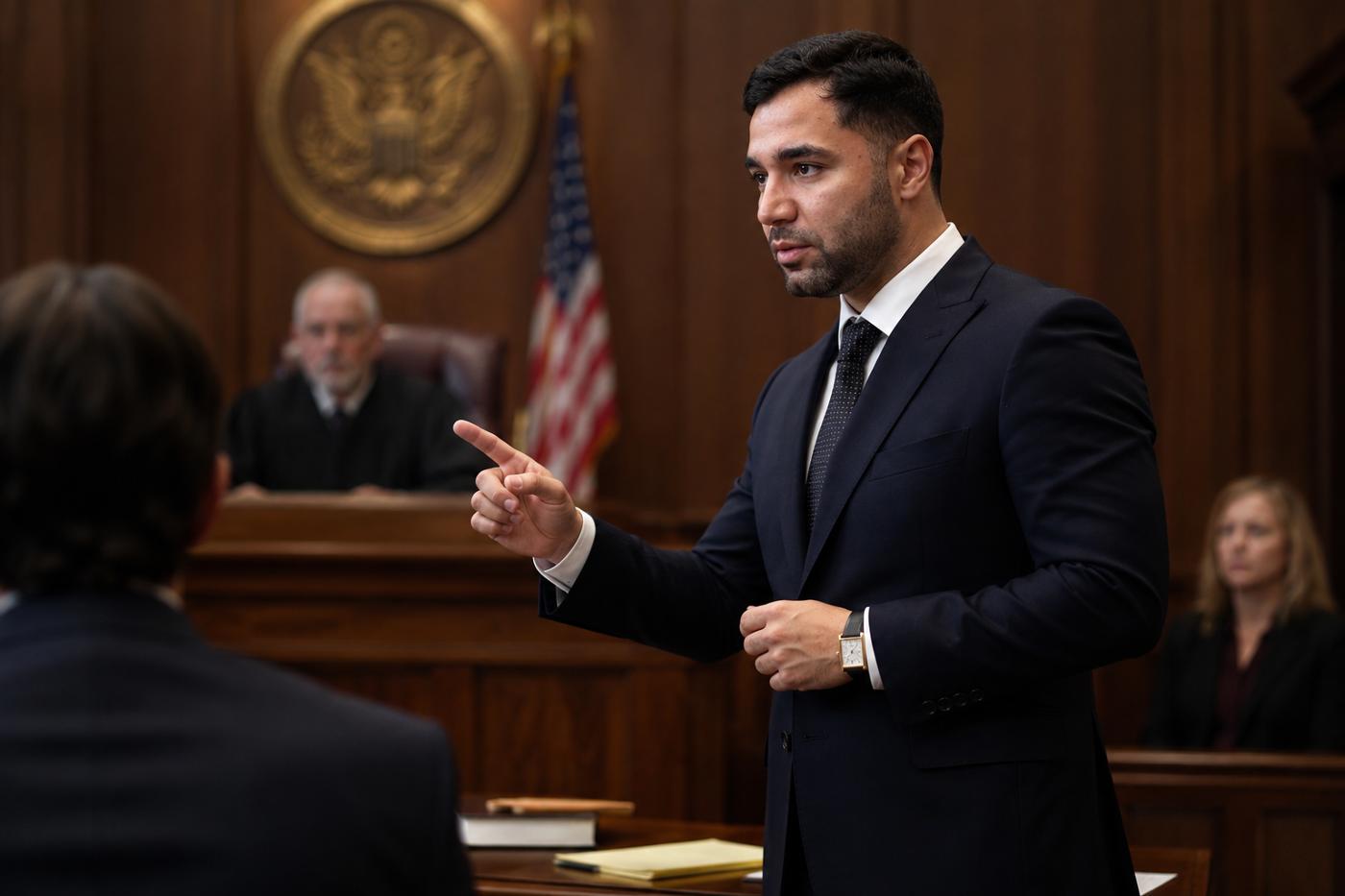
Why the First 24 Hours After an Accident Matter
Time works against you after an accident. Witnesses become harder to locate, memories fade, and critical evidence—skid marks, vehicle damage patterns, traffic signals, and scene conditions—deteriorates as days pass. Early documentation prevents insurance adjusters from building narratives that minimize your injury or deny liability altogether.
When you contact an attorney early, we work to preserve evidence, secure witness statements while details remain sharp, and establish a documented timeline. Without early legal action, adjusters construct accounts that work against you—claiming injuries weren't serious, that you contributed to the accident, or that liability is shared when it wasn't.
Legal deadlines also begin immediately. California's statute of limitations for personal injury claims is two years from the accident date, but waiting months to document injuries, gather police reports, or photograph scene conditions weakens your position long before trial. What you gather in those first hours becomes your strongest defense against insurance company tactics that emerge later.
If you've been injured in a car, truck, motorcycle, or pedestrian accident in Sacramento or the surrounding neighborhoods, reach out to us at +1-279-200-6397 for a free, no-obligation case consultation.
Immediate Safety First: The Scene and Medical Response
Your safety comes first. If your vehicle is drivable and you're in a dangerous location—middle of a busy intersection, on a freeway, or in a blind curve—move it to the shoulder or a nearby parking area only if safe to do so. If you cannot move the vehicle, stay inside with your seatbelt fastened and hazard lights activated until emergency personnel arrive. Never stand in traffic or between vehicles.
Check yourself and everyone at the scene for injuries. Look for visible wounds, but also ask people how they feel—someone might be hurt without showing obvious signs. If anyone is complaining of pain, losing consciousness, bleeding, or unable to move, call 911 immediately. Do not move injured people unless they're in immediate danger from fire or oncoming traffic. Tell the dispatcher the accident location, number of vehicles involved, and nature of injuries so paramedics arrive prepared.
Activate your hazard lights right away. If you have emergency warning triangles or flares, place them 50 to 100 feet behind your vehicle to alert oncoming drivers. In California, remaining at the accident scene is a legal requirement unless emergency personnel direct you to leave for medical treatment. Leaving before police document the scene or before injured parties receive care can result in hit-and-run charges, even if you were the injured party.
Once the scene is stabilized and emergency responders are en route, you can begin the documentation phase covered in the next section.
Document Everything at the Scene Within Minutes
Get your phone out and photograph the scene before vehicles are moved, towed, or cleaned. Take multiple angles—close-ups showing the impact damage, dents, and broken glass matter, but so does the undercarriage and the overall accident scene itself. Photograph road conditions, traffic signals, lane markings, weather, lighting, debris, and hazards like potholes or oil spills. Once cleanup crews arrive, these visuals are gone for good.
Record the exact location using street names, intersections, or landmarks. Document the date, time, and weather conditions—rain, fog, or glare all affect liability arguments. Note traffic flow direction, lighting quality, and whether traffic signals were functioning.
You'll need information from the other drivers at the scene. Rather than relying on memory, get their documents directly. Take photos of their driver's licenses and insurance cards—this captures their full names, phone numbers, addresses, and driver's license numbers. Get the insurance company names and policy numbers too, along with vehicle details like make, model, year, and license plate. Written records or photos beat trying to remember these details later.
Try to find at least two independent witnesses who saw the accident happen. Ask for their full names, phone numbers, and addresses. While it's fresh in their minds, ask each one what they saw—who had the right of way, vehicle speeds, traffic signal status, and whether any driver was distracted or speeding. Write their answers down verbatim or record audio with their permission.
The photographs and witness statements you collect right now become your strongest protection. Insurance companies will build their own version of events, and your documentation is what prevents them from rewriting what actually happened.
What to Say (and Not Say) at the Scene
Required information you must provide: Give your name, phone number, address, driver's license number, vehicle registration, and insurance information to police officers and the other driver when asked. This is a legal requirement in California. Do not refuse or delay—cooperation with law enforcement protects you.
Protect yourself by controlling what you communicate: Do not discuss fault, responsibility, or detailed explanations of how the accident happened with the other driver. Do not provide recorded statements or detailed accounts to the other driver's insurance company without an attorney present. Politely decline: "I'll have my attorney contact you." This boundary protects your rights and prevents misquotation.
Skip the injury discussion with the other driver. Never describe pain levels, symptoms, or medical concerns to anyone except medical professionals and your attorney. Saying "I feel fine" may seem harmless, but you could have hidden injuries that show up later—and those words will be used against you if you file a claim.
Keep conversations brief and factual. Talk only to police, paramedics, and your attorney. Let your attorney handle all detailed communication with insurance companies.
Reach out to Malekan Law Group within 24 hours to ensure your statements are documented accurately and your case is protected from the start.
Report the Accident to Police and Insurance Within 24 Hours
Request a police officer respond to the accident scene. If police don't arrive within a reasonable time, drive to your local police station within 24 hours and file a report yourself—obtain the report number and officer name immediately. This official documentation becomes critical evidence that insurance companies cannot dismiss or rewrite.
Call your own insurance company within 24 hours to report the accident. Provide only essential facts: your policy number, accident date and time, location, vehicle involved, and that you've been injured. Do not elaborate beyond these basics. Insurance adjusters are trained to extract admissions—avoid detailed descriptions of how the accident happened or descriptions of your injuries at this stage.
When your insurer requests a recorded statement or detailed account, tell them directly: "I'm consulting with an attorney before providing further information." Do not sign recorded statements, authorize medical records releases, or agree to property damage inspections without legal review. These documents lock you into positions that can undermine your claim later.
Keep a record of every interaction: write down report numbers, officer names, report dates, claim numbers, and adjuster names in one central location. Share all documentation with your attorney right away. If you've been injured and need experienced legal guidance on notification procedures, call Malekan Law Group at +1-279-200-6397 for your free consultation.
Preserve Physical Evidence Before It Disappears
Do not repair your vehicle or clean it until your attorney has reviewed the damage photographs. Insurance adjusters analyze impact patterns, dent depth, and paint transfer to verify how the collision occurred and confirm liability. Once repairs begin, this evidence is destroyed permanently and cannot be recovered.
Preserve all damaged clothing, helmets, and personal items showing impact or injury—these are physical evidence of force and trauma. Place them in a sealed bag or container and store them safely. Do not wash, discard, or donate these items; they may be needed to demonstrate injury severity to a jury.
If the accident involved Uber or Lyft, immediately preserve all app records, trip information, driver details, and any in-vehicle footage available. Screenshot the entire trip record, request your data download from the company, and ask the driver for their contact information and vehicle details directly.
Request security camera footage from nearby businesses, gas stations, ATMs, and traffic cameras within 24 hours. Storage systems loop or delete footage after 7–14 days, so immediate requests are critical. Contact property owners and city traffic departments in writing (email creates documentation) requesting preservation of any footage from the accident date and time.
Every piece of physical evidence strengthens your case and prevents insurance companies from disputing what actually happened.
Medical Evaluation and Documentation Within 24 Hours
Visit an emergency room, urgent care clinic, or your primary care physician within 24 hours even if you feel fine. Many serious injuries—traumatic brain injuries, internal bleeding, spinal damage, and soft tissue trauma—develop gradually and may not be obvious immediately after impact. Delaying evaluation gives insurance companies ammunition to argue your injuries weren't caused by the accident or weren't severe enough to warrant compensation.
Tell your medical provider explicitly that you were injured in a vehicle accident. This ensures the injury is documented as accident-related and creates a clear causal timeline. Allow doctors to perform a complete physical examination, imaging studies, and diagnostic tests. Do not minimize symptoms or rush through appointments—thorough documentation now prevents claim denials later.
Obtain copies of all medical records, imaging reports, lab results, and provider notes immediately after your visit. Request these in writing and keep originals in a secure location. These documents form the core evidence linking your injuries directly to the accident and justify the compensation you deserve.
Start a written daily log from the accident date forward: record all pain levels, physical limitations, medical appointments, medication side effects, and impacts on work and daily activities. This contemporaneous record demonstrates injury severity and recovery trajectory—something insurance adjusters cannot challenge.
Once you've received medical evaluation, reach out to Malekan Law Group at +1-279-200-6397 to ensure your medical evidence is properly preserved and incorporated into your claim strategy.
Types of Accidents We Handle Across Sacramento and Southeastern Neighborhoods
The first 24 hours after any accident requires the same immediate documentation and medical response—but your recovery strategy depends on the accident type. Malekan Law Group handles the full spectrum of accident cases across Southeastern Sacramento, and each requires specialized knowledge.
Car accidents including rear-end collisions, side-impact crashes, and intersection collisions occur constantly across Fruitridge Pocket, Lemon Hill, Florin, Vineyard, Elk Grove, Laguna, Franklin, Pocket, Oak Park, Land Park, Greenhaven, Meadowview, and surrounding neighborhoods. Left-turn intersection collisions—where drivers attempt turns against oncoming green light traffic—create clear liability patterns we pursue aggressively.
Truck and commercial vehicle accidents involving 18-wheelers, delivery trucks, and semi-trucks throughout Sacramento and Southeastern Sacramento neighborhoods including Florin, Fruitridge Pocket, Elk Grove, and Vineyard demand specialized investigation into driver logs, maintenance records, and trucking company negligence that multiplies injury severity and settlement value.
Motorcycle, pedestrian, and bicycle accidents across Fruitridge Pocket, Lemon Hill, Florin, Elk Grove, Pocket, Land Park, Greenhaven, and the American River Parkway region require knowledge of bike-specific damages, dooring incidents, and hit-and-run investigations that typical adjusters overlook.
Rideshare accidents involving Uber and Lyft across Sacramento, Fruitridge Pocket, Lemon Hill, Florin, Elk Grove, Vineyard, and surrounding neighborhoods demand expertise navigating complex insurance coverage rules unique to these platforms—coverage that varies based on driver status and app activation.
Scooter accidents involving Lime, Bird, and other shared scooters across Sacramento, Fruitridge Pocket, Lemon Hill, and surrounding neighborhoods, elevator accidents, and wrongful death claims require specialized investigation and support through the most serious circumstances.
In all cases, early documentation during those critical first 24 hours protects your evidence and strengthens your claim regardless of accident type. Call +1-279-200-6397 for your free consultation today.
When to Contact an Attorney in the First 24 Hours
Contact an attorney immediately if you've been injured. Waiting allows insurance adjusters to build narratives that minimize your claim—they'll argue injuries weren't serious enough to warrant full compensation, that you bear partial fault, or that liability is unclear when documentation could have proven otherwise.
Call before speaking with the other driver's insurance company. Adjusters are trained to extract statements that reduce your settlement value. A single phrase—"my neck feels okay right now" or "the intersection was confusing"—becomes locked into your claim and undermines you later. Your attorney ensures every communication protects your rights rather than exposes you.
Reach out if the accident involved multiple vehicles, serious injuries, property damage exceeding $1,000, unclear liability, or hit-and-run circumstances. Early legal consultation helps preserve evidence before witnesses scatter, photographs fade, and memory becomes unreliable.
Malekan Law Group offers a completely free, no-obligation consultation. Call +1-279-200-6397 or contact us today—same-week appointments are available for Sacramento and Southeastern Sacramento accident victims.
Hit-and-Run Accidents: Immediate Investigation Steps
A hit-and-run collision demands faster action than standard accidents because the at-fault driver is actively evading responsibility. File a police report immediately—provide any partial vehicle description, partial license plate numbers, direction of travel, and vehicle color. This official report creates the foundation for insurance claims and investigation. Obtain the report number and officer details before leaving the scene or station.
Collect video surveillance footage from nearby businesses, traffic cameras, and residential areas within hours. Storage systems delete or loop footage every 7–14 days, so delay is fatal to your case. Contact property owners and city traffic departments directly requesting preservation of footage from the accident date and time. Send these requests by email to create documentation.
We use multiple investigative routes for hit-and-run cases at Malekan Law Group: collecting surveillance footage, filing official police reports, and hiring investigation companies to locate the at-fault party when license plate numbers or vehicle descriptions are available. Once you've obtained a police report number and documented the scene, contact our office at +1-279-200-6397 for immediate legal assistance. We move fast to preserve evidence and track down responsible drivers before trails go cold.
Document all witnesses and their statements about the fleeing vehicle within 24 hours while memories remain fresh and identifiable features are still clear. This testimony becomes critical when police investigation alone doesn't locate the driver.
Why 95% of Cases Settle Before Trial: The Insurance Advantage
Insurance companies know that trial costs—expert witnesses, depositions, discovery, jury fees, and attorney time—often exceed what they would pay to settle your claim. This financial reality creates powerful leverage for your attorney to negotiate maximum compensation before a case reaches trial. When 95% of cases settle before trial, it's because the math favors resolution over litigation from the insurance company's perspective.
Early attorney involvement signals to adjusters that you're serious about pursuing full claim value, accelerating settlement discussions immediately. A documented case from the first 24 hours—with photographs, witness statements, medical records, and police reports—demonstrates you have evidence they cannot challenge. Insurance companies respond by moving faster toward settlement rather than betting on trial outcomes they cannot control.
The evidence you preserve in those critical first 24 hours directly strengthens your negotiating position. Comprehensive scene documentation and fresh witness testimony show adjusters that your case is solid. They recognize the risk of jury verdict exceeds their settlement offer, so they increase offers to avoid trial exposure.
This is why reaching out to Malekan Law Group within 24 hours protects your settlement value. We document everything properly, present evidence that forces fair offers, and leverage insurance company financial incentives to maximize what you receive. Call +1-279-200-6397 for your free consultation today.
Why Contingency Fee Representation Protects Accident Victims
Financial barriers should never prevent you from fighting for full compensation after an accident. That's why Malekan Law Group handles personal injury cases on a contingency fee basis—you pay absolutely nothing out of pocket. No retainer, no hourly rates, no legal fees of any kind unless we successfully recover compensation for you.
Every case begins with a 100% free, no-obligation consultation where we review the details of your situation, answer your questions, and provide honest guidance on your legal options at absolutely no cost. During this initial meeting, you'll speak directly with an attorney about your accident, injuries, and what recovery looks like.
Our fee structure aligns our interests entirely with yours. We only get paid when you win, which means we're motivated to maximize your settlement or verdict. Unlike hourly attorneys who profit regardless of case outcome, we succeed financially only if you succeed financially. This alignment transforms us into your genuine advocate rather than a neutral service provider.
If we don't win, you owe us nothing. This removes the risk of pursuing your claim and ensures that cost never becomes a reason to accept an inadequate settlement offer. Call Malekan Law Group at +1-279-200-6397 for your free consultation today—same-week appointments available.
Contact Malekan Law Group for Immediate Legal Protection
The first 24 hours after your accident are closing. Every hour that passes without legal guidance strengthens the insurance company's position and weakens yours. Do not wait—contact Malekan Law Group now at +1 (279) 200-6397 to speak directly with an attorney about your accident, injuries, and legal options while evidence is still fresh and witnesses are still reachable.
Open Sunday through Thursday from 6 AM to 11:30 PM, Friday from 6 AM to 1 PM, closed on Saturday. Our extended hours mean you can reach us when you need us most—early morning after an overnight accident, evenings after work, or weekend emergencies when other attorneys are unavailable.
Prefer in-person legal guidance? Visit our office at 4600 47th Ave, Suite 110, Sacramento, CA 95824 for a face-to-face consultation. We'll review your photographs, police reports, medical records, and witness statements to build your claim strategy immediately.
Every moment matters. Your free consultation requires zero commitment—we evaluate your case, explain your rights, and discuss settlement potential at absolutely no cost. Call +1 (279) 200-6397 today. Same-week appointments are available for Sacramento and Southeastern Sacramento accident victims. Protect your rights before evidence disappears.
Frequently Asked Questions
29 questions answered
Should I call an attorney immediately after an accident or wait to see if I'm seriously injured?
You should contact an attorney within 24 hours of the accident, regardless of how serious your injuries appear at the moment. Early legal action preserves critical evidence like witness statements, vehicle damage photos, and scene conditions before they disappear or fade from memory. Waiting weeks or months weakens your ability to prove liability and recover fair compensation, because insurance companies will have already built a narrative working against your interests.
What happens if I don't contact a lawyer in the first 24 hours after an accident?
Delaying legal contact gives insurance adjusters time to locate and influence witnesses, photograph the scene from angles that favor the other driver, and begin constructing a liability narrative that minimizes your injury. Evidence degrades rapidly—skid marks fade, debris is cleaned up, and witnesses' memories become unreliable within days. The longer you wait, the harder it becomes to prove what actually happened and secure maximum compensation.
How much does it cost to hire Malekan Law Group after an accident?
Every case at Malekan Law Group begins with a 100% free, no-obligation consultation where we review the details of your accident, answer your questions, and provide honest guidance on your legal options. If we represent you, we work on a contingency fee basis, which means you pay absolutely nothing out of pocket—no retainer, no hourly rates, no legal fees of any kind unless we successfully recover compensation for you. Our fee is a percentage of the settlement or verdict we obtain on your behalf, and if we don't win, you owe us nothing.
What should I photograph at an accident scene to protect my claim?
Photograph vehicle damage from multiple angles including close-ups of impact points, dents, broken glass, and undercarriage damage, plus the overall accident scene showing road conditions, traffic signals, lane markings, weather, lighting, debris, and any hazardous conditions like potholes or oil spills. Document the exact location using street names and intersections, capture the date and time, and photograph traffic flow direction and signal functionality. These visuals disappear once cleanup crews arrive, so document everything before vehicles are moved or towed.
What witness information do I need to collect at the accident scene?
Find at least two independent witnesses who saw the accident unfold and get their full names, phone numbers, and addresses. Ask each one to describe what they saw while memory is sharp—who had the right of way, vehicle speeds, traffic signal status, and whether any driver was distracted or speeding. Write their answers down verbatim or record audio with their permission, because witness statements fade in credibility as days pass and their memories become unreliable.
Is it safe to move my vehicle immediately after an accident?
Only move your vehicle if it is drivable and you are in a dangerous location like the middle of a busy intersection, freeway, or blind curve. Move it to the shoulder or nearby parking area only if it is safe to do so. If you cannot move the vehicle, stay inside with your seatbelt fastened and hazard lights activated until emergency personnel arrive, and never stand in traffic or between vehicles.
What driver information do I need to collect from the other vehicle?
Get the other driver's full name, phone number, address, driver's license number, insurance company name, policy number, and vehicle details including make, model, year, and license plate. Obtain this data directly from their licenses and insurance cards rather than relying on verbal recitation, as insurance adjusters will challenge any information that comes from memory alone.
How long do I have after an accident to file a personal injury claim in California?
California's statute of limitations for personal injury claims is two years from the accident date, but waiting months to document injuries, gather police reports, or photograph scene conditions weakens your position long before trial. The evidence you collect in the first 24 hours becomes the foundation of your entire case, so contacting an attorney immediately protects your right to recover fair compensation.
What should I say to the other driver at an accident scene?
Provide only required information: your name, phone number, address, driver's license number, vehicle registration, and insurance information. Never apologize for the accident, never say 'I didn't see you' or 'That was my fault,' and never admit to speeding, running a light, or being distracted. Insurance adjusters record casual statements and use them to argue you caused the accident, even if that's factually incorrect.
Can I discuss my injuries with the other driver at the accident scene?
Do not discuss injuries, pain levels, symptoms, or medical concerns with the other driver or anyone except medical professionals and your attorney. Avoid saying 'I feel fine' because you may not experience serious injuries like traumatic brain injury, spinal trauma, or internal bleeding for hours or days after impact. Any casual statement about your health can be used to minimize your compensation claim.
Why do I need to call 911 immediately if anyone is injured at an accident?
Calling 911 ensures paramedics arrive with proper medical equipment and training to assess and treat injuries safely. Tell the dispatcher the accident location, number of vehicles involved, and nature of injuries so responders arrive prepared. Never move injured people yourself unless they are in immediate danger from fire or oncoming traffic, as movement can worsen spinal, head, or internal injuries.
Is it legal to leave an accident scene in California?
Remaining at the accident scene is a legal requirement in California unless emergency personnel direct you to leave for medical treatment. Leaving before police document the scene or before injured parties receive care can result in hit-and-run charges, even if you were the injured party rather than the at-fault driver.
How can I preserve evidence after an accident if I'm seriously injured?
Contact an attorney immediately—within the first 24 hours if possible—and they will preserve evidence by collecting police reports, photographing the scene, securing witness statements, obtaining medical records, and documenting scene conditions before they change. If you are hospitalized, you can still authorize an attorney to act on your behalf to gather critical evidence while details remain fresh and witnesses are still available.
What role does a police report play in my accident claim?
A police report documents the official accident investigation, including officer observations of vehicle damage, scene conditions, traffic signal status, and preliminary liability assessment. Insurance adjusters rely heavily on police reports to determine fault, so ensuring the report is accurate and complete protects your claim. Contact the police department immediately after the accident to ensure an officer responds and documents the scene.
How do insurance companies use the first 24 hours against accident victims?
Insurance adjusters use early hours to locate and interview witnesses before your attorney can, photograph the scene from angles favorable to the at-fault driver, and build liability narratives that minimize your injury or claim shared fault. They pressure you to provide detailed statements when you're confused or in pain, then use any inconsistency or casual admission against you. Early legal representation prevents these tactics by establishing a documented timeline and controlling what information is shared.
Should I give a recorded statement to the insurance company in the first 24 hours?
Do not provide a recorded statement to any insurance company—yours or the other driver's—without first consulting an attorney. Insurance adjusters are trained to ask leading questions designed to extract admissions that minimize your claim. An attorney can advise you on what information to share and may handle communications with insurers on your behalf to protect your legal rights.
What medical steps should I take in the first 24 hours after an accident?
Seek immediate medical evaluation even if you feel fine, because serious injuries like traumatic brain injury, spinal trauma, and internal bleeding may not produce symptoms for hours or days. Request copies of all medical records, test results, and provider notes to document the timeline and severity of your injuries. These medical records become critical evidence when proving your damages to insurance companies.
How does Malekan Law Group preserve evidence that disappears quickly after an accident?
When you contact Malekan Law Group within 24 hours, we immediately photograph the accident scene, secure witness statements while details remain fresh, obtain police reports, and establish a documented timeline that prevents insurers from rewriting what actually happened. For hit-and-run cases, we use multiple investigative routes: collecting video surveillance footage of the area, filing police reports, and hiring investigation companies to locate the at-fault party when license plate numbers are available.
What is the typical timeline for settling a personal injury accident claim?
Most accident claims settle before going to trial, often taking several months to a year depending on injury severity, liability clarity, and insurance company cooperation. Insurance companies know that trial costs typically exceed what they would pay accident victims, which gives an experienced attorney leverage to negotiate maximum compensation. Early documentation and evidence preservation accelerate settlement negotiations because liability becomes difficult for insurers to dispute.
Why shouldn't I apologize at an accident scene?
A simple apology or statement like 'I'm sorry you're hurt' can be twisted by insurance adjusters into an admission of liability, even if you were not at fault. Insurance companies use casual words spoken in shock or panic to argue you caused the accident and minimize your settlement. Protect yourself by limiting conversation to required information only and avoiding any expression that suggests fault.
What should I do if the other driver refuses to provide their insurance information?
Record their license plate number, vehicle description, and any visible damage. If they refuse to cooperate, do not escalate the situation—remain calm and call police non-emergency to report the refusal. The police report will document their non-cooperation, and your insurance company or attorney can work with the investigating officer to obtain the required information.
How should I handle an accident if I'm too injured to photograph the scene or collect information?
Focus entirely on your safety and medical needs—request emergency services and accept medical evaluation. Ask a trusted friend or family member at the scene to photograph vehicle damage, scene conditions, and witness information. Once you're stable and receiving treatment, contact an attorney immediately and provide them with any information you did collect, as they can hire investigators to gather remaining evidence.
What happens if I miss the first 24 hours after an accident?
Contact an attorney as soon as possible—even if days or weeks have passed, legal representation still protects your rights and recovers evidence that remains available. The longer you wait, the more difficult evidence becomes to locate, witnesses become harder to find, and memories fade, but an attorney can still pursue maximum compensation on your behalf through investigation and insurance negotiation.
Should I accept or refuse emergency medical transport at the accident scene?
Always accept medical evaluation and transport if emergency responders recommend it, even if you feel fine. Injuries like traumatic brain injury, internal bleeding, and spinal trauma may not produce symptoms immediately, and refusing care creates a documentation gap that insurance adjusters will use to minimize your injury claim. Accept transport, receive full medical evaluation, and obtain copies of all medical records.
How does contacting Malekan Law Group help me avoid making costly mistakes in the first 24 hours?
An attorney guides you on what to say and not say to insurance companies, advises you on medical care and documentation needs, preserves evidence before it disappears, and handles communications with adjusters so you don't accidentally undermine your claim. We also explain your legal rights and options during the critical first hours when you're confused and vulnerable to pressure from insurers seeking to minimize compensation.
What are the benefits of hiring a personal injury attorney immediately after an accident?
Immediate legal representation preserves evidence before it vanishes, secures witness statements while details remain fresh, establishes a documented timeline that prevents insurers from rewriting events, and prevents you from making statements that damage your claim. An attorney also investigates the accident thoroughly, negotiates with insurance companies from a position of strength, and pursues maximum compensation without requiring you to go to trial.
How should I activate hazard lights and use warning triangles at an accident scene?
Activate your hazard lights immediately after the accident to alert oncoming drivers. If you have emergency warning triangles or flares, place them 50 to 100 feet behind your vehicle to create a safe zone for first responders and alert drivers to slow down. This prevents secondary accidents and protects everyone at the scene, especially if traffic is heavy or visibility is poor.
Can I contact Malekan Law Group at night or on weekends after an accident?
Yes, you can reach Malekan Law Group at +1-279-200-6397 to discuss your accident and schedule a free consultation. Open Sunday through Thursday from 6 AM to 11:30 PM, Friday from 6 AM to 1 PM, closed on Saturday. Early contact ensures we begin evidence preservation and legal protection while critical details remain fresh and witnesses remain available.
What makes the first 24 hours after an accident so critical for your legal claim?
The first 24 hours determine whether your claim survives intact or collapses under pressure from insurance companies. Witnesses disappear, memories fade, and critical evidence like skid marks, vehicle damage patterns, traffic signals, and scene conditions becomes harder to document as time passes. Every hour that passes without action strengthens the insurance adjuster's ability to minimize your injury or deny liability entirely.