
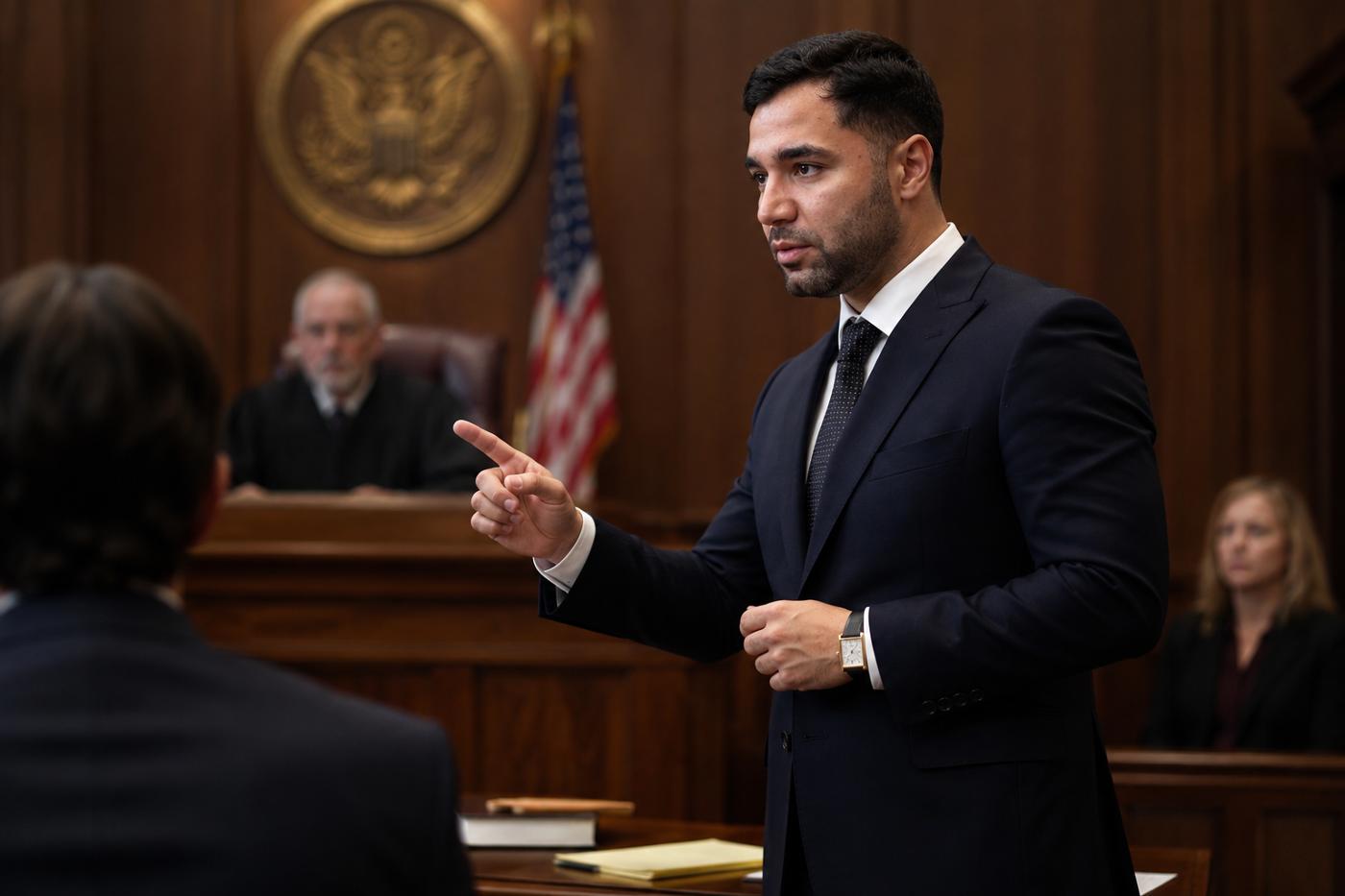
Sacramento Personal Injury Deadlines: Why the Clock Starts the Moment You're Hurt
Under California Code of Civil Procedure § 335.1, personal injury victims have two years from the date of injury to file a lawsuit — and that clock starts the moment the accident happens, not when a doctor confirms your diagnosis. It covers victims rear-ended on Florin Road, struck in a crosswalk near Fruitridge Pocket, injured in a motorcycle crash on Highway 99, or hurt in a rideshare collision along the Elk Grove corridor.
That distinction — date of accident, not date of diagnosis — is where many victims lose their right to recover. Someone who waits months to see a specialist, assumes their injuries will heal on their own, or spends time negotiating directly with an insurance adjuster can find themselves legally barred from filing, regardless of how clearly the other driver was at fault.
Let that sink in: once that deadline passes, your compensation is gone for good. No settlement. No trial. No recovery for medical bills, lost wages, or pain and suffering — no matter how strong your case might have been.
Lemon Hill, Fruitridge Pocket, Florin, Elk Grove — every one of those communities falls under the same California filing rules. Malekan Law Group can help you figure out exactly where your deadline stands at no cost to you, and a free consultation takes minutes to schedule.
What Malekan Law Group Has Recovered for Sacramento Accident Victims
Before hiring any attorney, most injured people want to know one thing: does this firm actually get results? As of 2026, Malekan Law Group has successfully resolved more than 500 cases and recovered millions for accident victims across Sacramento and Southeastern Sacramento, with a largest single settlement exceeding $600,000. Those results come from car accident claims, truck collisions, motorcycle crashes, pedestrian injuries, and other negligence cases handled across the region.
Each of those recoveries shares the same critical foundation — the case was filed while California's legal window was still open, which gave the firm standing to negotiate, send demand letters, and take the fight to court when necessary. Ninety-five percent of cases settle before trial, because insurance companies typically spend more on trial costs than what they would pay to accident victims — a dynamic that gives an experienced attorney meaningful leverage at the negotiating table. That leverage only exists while the claim is legally alive.
Licensed by the State Bar of California since 2021, the firm operates on a strict No Win, No Fee guarantee — you pay nothing unless compensation is recovered. That structure removes the financial barrier that causes many victims to delay — and delay, in personal injury law, is the single most preventable way to lose a valid claim. If you were recently injured, call +1 (279) 200-6397 for a free consultation before time becomes the deciding factor in your case.
What Happens When You Wait Too Long to File in Sacramento
When California's two-year deadline passes, a Sacramento court will dismiss your lawsuit outright — it does not matter how severe your injuries are, how much medical documentation you have, or how obviously negligent the other driver was. The right to sue is permanently extinguished the moment that deadline expires.
Once the filing window closes, an insurer has no reason to offer compensation when you can no longer take the dispute to court. Claims that might have settled for significant amounts are simply denied or ignored, because the legal pressure that drives settlement negotiations no longer exists.
A common reason Sacramento victims miss their deadline is a false sense of security — assuming the other driver's insurance will handle everything without legal intervention. Injuries that feel manageable at first can develop into more serious medical conditions over time, and by the point a victim realizes the full extent of the harm, the filing window may already be closing. Recoverable damages — medical bills, lost wages, pain and suffering — become permanently unavailable even with clean documentation in hand once that deadline passes.
If you were hurt anywhere from Meadowview to Elk Grove, contact Malekan Law Group before inaction becomes an irreversible decision. A free consultation takes minutes; losing your claim takes only one missed deadline.
Exceptions That Change the Filing Deadline in California
California's two-year rule is not absolute — several legal exceptions either shorten or extend the standard window, and knowing which applies to your situation can be the difference between a viable claim and a forfeited one.
The discovery rule shifts the clock's start date when an injury was not immediately apparent. A traumatic brain injury that surfaces days after a collision, or internal injuries requiring imaging to detect, may start the two-year period from when the victim discovered — or reasonably should have discovered — the harm, not the accident date itself.
The government entity exception works in the opposite direction, compressing the timeline dramatically. If the at-fault party is a Sacramento city bus, a Caltrans-maintained road, or any government vehicle, California Government Code § 911.2 imposes a significantly shorter deadline for filing a formal tort claim — not two years. If a government entity may be involved in your accident, consulting an attorney immediately is essential to understanding the specific timeline that applies to your situation.
For minor victims, the two-year clock generally does not begin until the injured person turns 18, extending their filing window to their 20th birthday. The specific deadlines applicable to other parties connected to the same accident can vary, which is why anyone involved in a crash affecting a minor should seek legal guidance promptly.
Finally, mental incapacity can toll — legally pause — the statute of limitations until incapacity resolves, but this protection requires proper legal documentation and is not granted automatically. If any of these exceptions may apply to your case, contact Malekan Law Group for a free case review before a shortened deadline runs out.
Deadlines by Accident Type: How the Clock Works for Each Case We Handle
California's two-year standard applies across most personal injury case types, but each category carries its own practical urgency that affects how quickly you need to act.
Car and truck accident victims generally work within the standard two-year window, though hit-and-run cases are a different story — those demand immediate action. Malekan Law Group collects video surveillance footage, coordinates police report filings, and works with investigation companies to locate at-fault drivers when plate numbers are available — evidence that disappears within days if no one moves to preserve it.
Riders injured in motorcycle and bicycle accidents face the same two-year rule, but road debris, skid marks, and witness recollections degrade within weeks — a serious concern for those hurt across Fruitridge Pocket, Lemon Hill, and the American River Parkway region.
When it comes to pedestrian and scooter accidents, crosswalk defects or dangerous road conditions may implicate a government entity, triggering a significantly shorter tort claim requirement covered in the previous section.
Rideshare accidents with Uber or Lyft involve layered insurance policies — corporate coverage, the driver's personal policy, and potentially underinsured motorist coverage — and sorting out which applies takes time you cannot afford to waste.
Wrongful death claims run two years from the date of the loved one's death, which may differ from the accident date if death was delayed. Traumatic brain injury cases often rely on the discovery rule, since TBI symptoms can surface days after impact — making early medical documentation critical to supporting a later discovery date. Call +1 (279) 200-6397 to start your free consultation today.
Why Left-Turn Intersections and Southeastern Sacramento Roads Create Unique Deadline Pressures
Left-turn collisions at Sacramento intersections — where a turning driver cuts across oncoming green-light traffic — are among the most disputed liability scenarios in personal injury law. Traffic camera footage that resolves these disputes is typically overwritten by local agencies within days, making same-week attorney involvement the difference between a provable case and a lost one. Florin Road, Fruitridge Road, and Stockton Boulevard each carry heavy cross-traffic volumes where this pattern repeats regularly; Highway 99 near Elk Grove adds high-speed commercial traffic into the mix, and surface streets through Lemon Hill and Meadowview present their own signal-timing and crosswalk hazards.
Government-maintained roads create a separate deadline trap. When a pothole, failed signal, or defective crosswalk on a Sacramento County or City of Sacramento road contributes to a crash, a shortened government tort claim deadline applies — not the standard two-year window. Victims who treat those accidents as routine civil claims can lose their rights in far less time than they believed they had.
Malekan Law Group's office at 4600 47th Ave, Suite 110, Sacramento, CA 95824 sits in the heart of Southeastern Sacramento precisely because Fruitridge Pocket, Lemon Hill, Florin, Vineyard, Oak Park, and Meadowview are where these accident patterns concentrate. Neighbors in Colonial Heights and those seeking a Florin personal injury attorney face the same deadline pressures and can reach the firm without delay.
Steps to Take Right Now If You Were Injured in a Sacramento Accident
The actions you take in the first 48 hours after an accident directly determine how much compensation you can recover — and whether you can recover anything at all.
- Seek medical care the same day. Even injuries that feel minor need a documented evaluation. A medical record created immediately links your injuries to the accident date, which both supports your claim and establishes the starting point for California's two-year filing window under CCP § 335.1.
- Preserve every piece of evidence immediately. Photograph the scene, collect the police report number, and gather witness contact information. Ask nearby businesses whether they have security camera footage — request it within days, not weeks, because footage is routinely overwritten.
- Do not give a recorded statement to the other driver's insurance company before speaking with an attorney. Adjusters are trained to use early statements to minimize or deny claims, and anything you say in that first call follows the case to the end.
- Contact Malekan Law Group for a free, no-obligation consultation. Whether your accident happened near Tahoe Park or through the South Oak Park corridor, call +1 (279) 200-6397 to speak directly with our team at no cost and no commitment. We work on contingency — you pay nothing unless we win.
Why Early Attorney Involvement Produces Better Outcomes Before the Deadline
Hiring an attorney in the first days after an accident — not the final months before the deadline — is the single most controllable factor in your settlement amount. Because 95% of personal injury cases settle before trial, the evidence gathered in the first weeks determines what an insurer will pay. Early representation allows Malekan Law Group to send evidence preservation letters to businesses, subpoena traffic camera footage before city agencies overwrite it, and retain investigators while witness memories and physical evidence remain intact.
Insurance companies respond differently when they know the attorney across the table has recovered millions for accident victims and a largest single settlement exceeding $600,000 as of 2026. The negotiation question shifts from how little can we offer to what will a jury award if this goes to trial — and that distinction moves settlement numbers in your favor.
Waiting until the final months before the deadline compresses every part of the process. Medical documentation of long-term injuries requires time to build; filing suit as a negotiation lever requires time to exercise. Neither option survives a rushed timeline.
Open Sunday through Thursday from 6 AM to 11:30 PM, Friday from 6 AM to 1 PM, closed on Saturday — those extended hours exist so Sacramento accident victims can reach an attorney the same day they're hurt, not the next business week. Contact Malekan Law Group now so every available tool is in place before the calendar becomes your adversary.
Contact Malekan Law Group Before Your Sacramento Filing Deadline Passes
Once California's statute of limitations expires, no attorney — anywhere in the state — can reopen your right to compensation. That deadline is absolute, and the only protection against it is acting before it arrives.
Starting a case with Malekan Law Group costs nothing. The initial consultation is completely free, covers every detail of your situation, and produces honest guidance on your legal options with zero obligation to proceed. There is no financial risk in making that call.
Every case the firm accepts runs on a contingency fee basis — no retainer, no hourly rates, no legal fees of any kind unless compensation is recovered. If the firm does not win, you owe nothing. Victims serving Lemon Hill, Fruitridge Pocket, Florin, Elk Grove, and the surrounding Southeastern Sacramento communities have the same zero-cost path to representation.
Reach Malekan Law Group by phone at +1 (279) 200-6397 or visit the office at 4600 47th Ave, Suite 110, Sacramento, CA 95824. Your deadline is already counting down — the consultation is free, the representation costs nothing unless you win, and the risk of waiting is permanent.
Frequently Asked Questions
14 questions answered
Does the statute of limitations pause if the at-fault driver flees the scene in a hit-and-run?
A hit-and-run does not automatically pause California's two-year statute of limitations — the clock typically still starts on the date of the accident. However, if the at-fault driver remains unidentified, your attorney may pursue your own uninsured motorist (UM) coverage, which has its own separate claim timeline governed by your policy terms rather than the civil court deadline. Reporting the incident to police immediately and preserving any available surveillance footage are critical steps that protect both your UM claim and any future lawsuit if the driver is later identified.
If I was injured by an Uber or Lyft driver in Sacramento, does the same two-year deadline apply?
Yes, the standard two-year deadline under California Code of Civil Procedure § 335.1 applies to rideshare accident claims the same way it does to any other personal injury case. The complexity with Uber and Lyft claims is not the deadline itself but the layered insurance coverage — the rideshare company's commercial policy, the driver's personal policy, and the app's status at the time of the crash all affect which insurer you pursue. Missing the two-year window eliminates your right to sue any of those parties, so early legal action is especially important in rideshare cases.
Can the insurance company's ongoing settlement negotiations extend my filing deadline in California?
No — insurance negotiations do not toll or extend California's statute of limitations. An adjuster can negotiate with you right up until the day before your deadline expires and then simply stop responding once your right to file lapses. California courts will not recognize 'we were still talking' as a valid reason to extend the window. This is one of the most common traps Sacramento accident victims fall into, and it is why attorneys advise filing a lawsuit — or at minimum consulting one — well before the two-year mark, even if a settlement seems close.
How does the two-year deadline work if my injuries got significantly worse several months after the accident?
Worsening symptoms after an accident do not reset or extend the statute of limitations in most cases — California courts tie the clock to when the injury occurred or was reasonably discoverable, not when it became more severe. The narrow exception is when the injury was completely hidden at the time of the accident and only became detectable later, such as certain internal injuries or delayed neurological symptoms. If your injuries are worsening, consulting an attorney now is urgent because waiting for your condition to stabilize may mean waiting past your legal deadline.
What is the filing deadline for a wrongful death claim in Sacramento, and is it different from a personal injury deadline?
Wrongful death claims in California carry the same two-year statute of limitations, but the clock starts from the date of the victim's death — not the date of the underlying accident. This matters when someone survives an accident for weeks or months before passing from their injuries, because the family's wrongful death claim window opens at death, not at the crash. Separate from a wrongful death claim, the deceased's estate may also have a survival action claim with its own considerations, which is why families in Sacramento should consult an attorney as early as possible after a fatal accident.
Does hiring a personal injury attorney cost anything upfront in Sacramento?
Malekan Law Group handles personal injury cases on a contingency fee basis, meaning you pay nothing upfront — no retainer, no hourly fees, and no legal costs of any kind unless compensation is recovered on your behalf. The firm's fee is a percentage of the settlement or verdict obtained, so the attorney's financial interest is aligned with maximizing your recovery. The initial consultation is completely free, so there is no financial risk to learning where your deadline stands.
How long does a personal injury lawsuit typically take to resolve in Sacramento once it is filed?
Most personal injury cases in Sacramento settle before ever reaching trial — the majority of cases resolve through negotiated settlements rather than a court verdict. The timeline from filing to resolution varies widely depending on injury severity, the number of liable parties, and how aggressively an insurer contests the claim, but straightforward cases can settle within several months while complex ones may take a year or longer. Filing sooner rather than later gives your attorney the maximum negotiating window and avoids the pressure of approaching deadlines.
What evidence should I still be collecting even if I think the insurance company is handling my claim?
Regardless of whether an insurer appears cooperative, you should continue preserving accident scene photos, securing the police report, documenting every medical appointment and diagnosis, saving all bills and receipts, and keeping a written record of how your injuries affect your daily life. Insurance companies build their own evidence file from the moment a claim is opened — you should be doing the same. Surveillance footage from nearby businesses or traffic cameras disappears quickly, sometimes within days, so requesting that evidence early can be the difference between proving fault and losing it.
If I was a passenger in a vehicle that caused an accident in Sacramento, can I still file a personal injury claim?
Yes — passengers have the right to file personal injury claims against any at-fault party, including the driver of the vehicle they were riding in. California's fault-based insurance system allows injured passengers to pursue compensation from the at-fault driver's liability policy, and in some cases from multiple parties if more than one driver contributed to the crash. The same two-year statute of limitations applies, and your claim is not limited or weakened simply because you were not behind the wheel.
How does comparative fault in California affect my personal injury claim if I was partially responsible for the accident?
California follows a pure comparative fault rule, meaning you can recover compensation even if you were partially at fault for the accident — your award is simply reduced by your percentage of fault. For example, if you were found 20% responsible, you could still recover 80% of your total damages. Insurance companies routinely assign inflated fault percentages to accident victims to reduce payouts, which is one reason having an attorney negotiate on your behalf — rather than accepting an adjuster's initial assessment — can significantly affect the final compensation amount.
Are there situations where a Sacramento personal injury claim must be filed in less than two years?
Yes — claims involving government entities require a formal tort claim to be filed within six months of the accident under California Government Code § 911.2, far shorter than the standard two-year window. This applies to accidents involving Sacramento Regional Transit buses, Caltrans vehicles, city-owned property, or roads where government negligence contributed to the crash. Failing to submit the government tort claim within that six-month period can permanently bar your lawsuit, even if the two-year mark has not yet passed.
What types of damages can Sacramento personal injury victims recover, and how is that amount calculated?
Sacramento personal injury victims can pursue economic damages — which include medical bills, future medical costs, lost wages, and reduced earning capacity — as well as non-economic damages such as pain and suffering, emotional distress, and loss of enjoyment of life. California does not cap non-economic damages in most personal injury cases, which is why severe or permanent injuries can justify significantly larger claims. The calculation depends on documented medical evidence, expert testimony, proof of income loss, and the long-term prognosis of your injuries.
How does Malekan Law Group investigate a case when the at-fault driver cannot be identified?
When a hit-and-run leaves the at-fault driver unidentified, Malekan Law Group pursues multiple investigative routes simultaneously: collecting video surveillance footage from nearby businesses and traffic cameras, filing police reports to create an official record, and working with investigation companies to trace the at-fault party when a partial or full license plate number is available. These steps are time-sensitive because footage is often overwritten within days, making early contact with an attorney critical in hit-and-run situations.
What should I say — and not say — to the other driver's insurance adjuster after a Sacramento accident?
You are generally not legally required to give a recorded statement to the other driver's insurance company, and doing so before consulting an attorney can seriously harm your claim. Adjusters are trained to ask questions that elicit answers minimizing your injuries or suggesting partial fault, and even a casual comment like 'I feel okay' can be used to dispute the severity of your damages later. Providing your basic identifying information is typically necessary, but beyond that, telling the adjuster you are represented by an attorney — or that you intend to consult one — shifts all further communication through legal channels.