
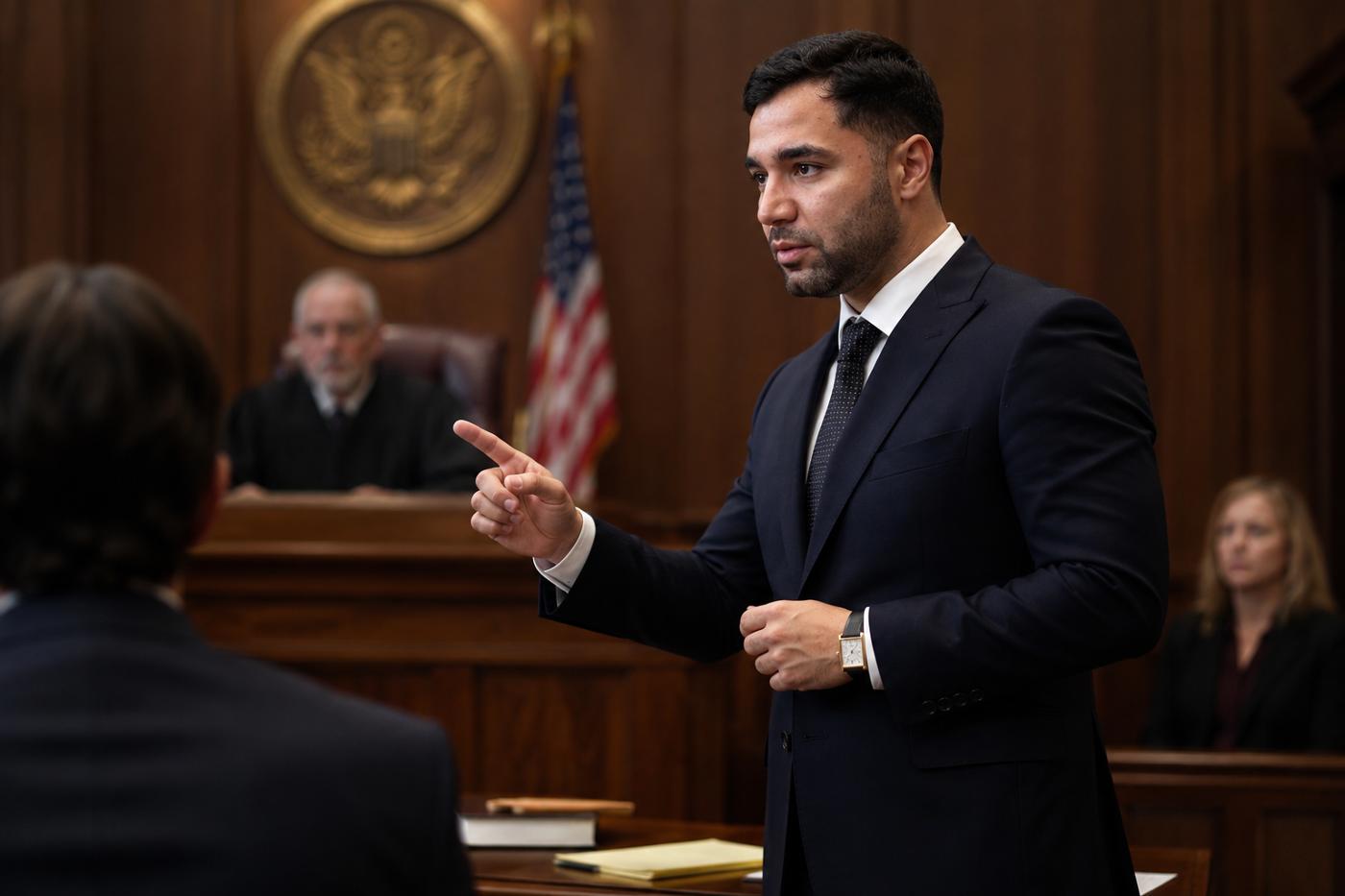
You Have the Right to Fire Your Lawyer
Can I fire my lawyer? Yes. You may terminate your attorney-client relationship at any time with written notice.
Will I owe money? No — not on a contingency case. You owe zero out of pocket.
How does the new lawyer get paid? When you hire new counsel, they work on contingency from the same settlement fund. The total attorney's fee gets split between your old firm and new firm based on who did what work, so there's never a double fee and you never pay anything out of pocket.
Switching attorneys costs you nothing on a contingency case. Your replacement lawyer gets paid from the same settlement pool, with fees divided based on actual work completed by each firm. That eliminates double billing and keeps surprise costs off your plate.
What you need to know:
- Cost to switch: $0 out of pocket on a contingency case.
- Court approval needed: None pre-litigation; 7 to 14 days for Substitution of Attorney form MC-050 in Sacramento County Superior Court.
- Settlement rate: 95% of personal injury cases settle before trial because insurance companies typically spend more on trial costs than what they would pay to accident victims.
- Malekan Law Group consultations: Free, available Sunday through Thursday until 11:30 PM and Friday until 1 PM.
You have the absolute right to fire your attorney with written notice — whether your case is still being investigated, actively negotiating with the insurance company, or already in court with a trial date on the calendar. No court can force you to stay with a lawyer you don't trust.
The attorney-client relationship belongs to you. You made the hire, and you can end it the same way. Your lawyer, by contrast, faces strict legal limits on when and how they can walk away from your case.
Here's what actually matters: firing your attorney doesn't hurt your injury claim. Your claim against the at-fault driver and their insurance company belongs to you — your lawyer doesn't own it. Switching firms transfers your file to new counsel; it doesn't reset your case, weaken your evidence, or give the insurance company new ammunition. If you're thinking about a change and want to talk through it confidentially, we offer free case consultations with zero pressure to switch.
When Switching Lawyers Makes Sense
The strongest reasons to change firms fall into six categories that experienced personal injury attorneys agree warrant action:
- Missed deadlines or filings. If your lawyer misses a court filing deadline, fails to respond to discovery, or approaches critical deadlines without action, switch immediately. This is not a minor oversight — missed deadlines can forfeit your right to recover damages entirely.
- Communication breakdown. Unreturned calls for weeks, no case updates over months, or inability to reach anyone who knows your file are red flags — not minor annoyances. You deserve to know what's happening with your case.
- Settlement pressure without explanation. Your attorney must explain why a number is fair and what your case is realistically worth. Being pushed to sign without clear reasoning is grounds to leave, and it suggests your lawyer isn't confident in their own strategy.
- Conflicts of interest. Discovering your firm also represents the at-fault driver, their employer, or their insurer is an automatic disqualifier under California ethics rules. Your lawyer cannot advocate effectively for you when they're being paid by the other side.
- Wrong experience. A general practitioner handling your traumatic brain injury or commercial truck collision is outmatched against specialized defense counsel. Specialized cases demand specialized knowledge — gaps in expertise directly reduce your settlement.
- No coherent negotiation strategy. Multiple rejected offers with no plan B suggests your lawyer is improvising. You should understand the roadmap for your case.
Document the specific problem first, then decide whether to switch.
Real second-opinion case from our office: A caller frustrated that their attorney had rejected a $35,000 opening offer on a rear-end collision came in for a free review. After reviewing the medical records during a free second-opinion consultation, the rejection was correct — the case had documented cervical disc involvement worth substantially more once treatment finished. The client stayed with their original lawyer, and we told them so. That is the kind of clarity a second opinion provides whether you switch or not.
When You Should Resist the Urge to Switch
Don't switch lawyers because of slow weeks, rejected lowball offers, or mid-negotiation impatience. Only switch when missed deadlines, conflicts of interest, communication blackouts, or wrong-experience gaps are documented in writing.
Here's where staying put usually makes the smarter call.
The insurance company's first settlement offer is almost always 30-60% below what patient negotiation produces. If your attorney is rejecting low offers and counter-demanding higher figures, that's the process working — not stalling. Roughly 95% of personal injury cases settle before trial, but those settlements take months of pressure to reach fair value.
Most of the work on an injury claim — subpoenaing medical records, gathering surveillance footage, obtaining the police report, waiting for you to reach maximum medical improvement — happens without daily client updates. A few quiet weeks with no missed deadlines is normal case-building, not neglect.
Mid-negotiation is the worst possible moment to switch. Your current attorney has already established rapport and credibility with the opposing adjuster or defense counsel. A new firm starts that relationship at zero, and the insurer often interprets the switch as instability — sometimes pulling offers off the table entirely.
Switching mid-discovery or close to trial adds significant delays. Your new lawyer must review and absorb months of prior work before negotiating or litigating effectively, and that delay matters when deadlines are running.
Timing Considerations: When Switching Causes Real Delays
The timing of an attorney switch directly determines how much delay your case absorbs. Switching early in the investigation process is the least disruptive scenario — medical records are being gathered, the police report is being analyzed, and no depositions have been taken yet. New counsel essentially picks up where your prior firm left off without redoing finished work.
Switching after discovery is largely complete is significantly harder. Your new lawyer must read through deposition transcripts, expert reports, medical chronologies, and insurance correspondence already produced — often 500 to several thousand pages. Expect significant time for file review before your new attorney can negotiate or litigate effectively.
Switching within 60 days of trial is the riskiest scenario. New counsel needs time to prepare opening statements, cross-examination outlines, and trial exhibits, and judges in Sacramento County courts rarely grant continuances simply because you changed firms.
Each switch also resets relationships with the opposing adjuster, defense counsel, and your treating physicians — credibility built over months of negotiation disappears the moment a new firm sends its substitution notice. If switching feels necessary, the earlier you act, the less your case is affected by the change.
Will You Owe Your Original Lawyer Money?
On a contingency case, you owe nothing out of pocket when you switch — even if you fire your attorney today. Your former lawyer is paid only if your case recovers compensation, and their share comes out of the single contingency fee — not added to it.
If your case settles or wins at trial after you switch, your former attorney may seek compensation for the reasonable value of the work they completed. That payment comes from the total contingency fee — not added on top — so your recovery doesn't shrink just because two firms touched your file. Your retainer agreement spells out exactly how this division works, so read the termination provisions carefully before signing with new counsel.
You're also not responsible for the prior firm's staff time costs on a contingency case. Hard costs they already paid out — filing fees, medical record charges, expert deposits — may be reimbursed from the settlement, but only if recovery actually happens.
If the outgoing and incoming attorneys can't agree on compensation division, California courts resolve the dispute directly between the lawyers. You stay completely out of it, and your settlement doesn't get held hostage to their disagreement.
How Your New Lawyer Gets Paid After You Switch
Your new lawyer works on contingency from the same settlement — one fee total, split between firms based on work each performed. You never pay two fees.
Your new lawyer gets paid the same way your first one would have — on contingency, as a percentage of your settlement or verdict, with zero out-of-pocket cost to you. If there's no recovery, there's no fee owed to the new firm either.
Before any work begins, your new attorney will ask you to sign a fresh retainer agreement spelling out their contingency percentage, how costs are advanced, and how compensation division with prior counsel will be handled. Read it carefully — the percentage typically mirrors industry-standard contingency rates for personal injury cases in California, but the cost-handling and terms vary firm to firm.
When your case resolves, the total attorney's fee comes out of the settlement first, and your new lawyer negotiates directly with your former firm to divide that single fee based on the work each performed. Courts approve the division if the lawyers can't agree. Either way, you pay one contingency fee — not two.
At Malekan Law Group, we handle the compensation negotiation entirely so your settlement check reflects exactly what you expect. Call (279) 200-6397 to review your current fee agreement before signing anywhere new.
The Process of Switching: What Happens Step-by-Step
Changing attorneys involves five concrete steps, and the mechanics are simpler than most clients expect. Here's exactly what happens from termination to transition:
- Send a written termination letter. Email is legally sufficient. State clearly that you are ending the representation effective immediately and request your complete case file be released within 10 business days. No explanation or justification is required.
- Receive your full file. Your former attorney must transfer everything — medical records, police reports, insurance correspondence, photographs, witness statements, investigation notes, demand letters, and settlement offers — either directly to you or to your new lawyer.
- Withdrawal motion if litigation is pending. If a lawsuit has been filed, your original attorney must file a motion with the court to formally withdraw. They cannot simply walk away mid-litigation; a judge must approve the exit.
- Substitution of Attorney form. Your new attorney files form MC-050 with the court, officially replacing prior counsel in the case record. Both lawyers and you sign it.
- Court approval depends on phase. Pre-litigation settlement work requires no court permission — the substitution is administrative. Active litigation requires judicial sign-off, typically granted within 7-14 days.
Most transitions wrap up in two to three weeks. If you're in the middle of an active Sacramento County lawsuit, your prior attorney files a motion to withdraw and your new attorney files Substitution of Attorney form MC-050, which judges in Sacramento County Superior Court typically approve within 7 to 14 days.
Real transition timeline from our office: Client signed the Substitution of Attorney form MC-050 on a Monday, we ordered the file Tuesday, received it the following Friday, and sent a revised demand letter to the carrier within 18 days — without pausing any pending deadlines.
Another transition example: A left-turn-against-green-light intersection collision case came to us after the prior firm sat on an offer for months. Within 45 days of substitution, we deposed the at-fault driver, obtained additional surveillance footage of the intersection, and moved the carrier to a substantially higher resolution range.
Potential Costs and Case Delays from Switching
Switching attorneys typically adds measurable delays to your case timeline that every client should weigh honestly before signing a substitution form.
Your new lawyer needs time to fully review the case file, medical records, deposition transcripts, and prior insurance correspondence before making any strategic move. During that review, active settlement negotiations usually pause briefly while new counsel evaluates the last offer on the table and prepares an informed counter-demand. Insurance adjusters know this transition window exists, and some carriers use it as leverage — pulling pending offers, slowing responses, or testing whether the new firm understands the file as well as the previous one did.
If your case is close to trial, the delay grows sharper. Switching within 60-90 days of a trial date often forces a continuance motion, and Sacramento County Superior Court calendars typically push the new trial date out depending on judicial scheduling. Medical experts, accident reconstructionists, and investigators retained by your prior attorney may also require re-interviews or fresh agreements, adding documented investigation costs that the contingency fee ultimately absorbs.
This doesn't mean switching is always wrong — it means you need to time it strategically. Call (279) 200-6397 before deciding.
How Malekan Law Group Handles Case Transitions and Continuity
When you switch to Malekan Law Group, we order your prior case file within 24 hours of signing the substitution form and begin work the same week — so your case keeps moving while the file transfer completes. Waiting weeks for documents to arrive before doing any work is exactly the delay we're built to eliminate.
Our team contacts your previous firm directly to map out case history: what offers have been made, which depositions are scheduled, what discovery is outstanding, and which deadlines are approaching. For hit-and-run transition cases, our investigative protocol combines area surveillance footage retrieval, Sacramento Police Department report coordination, and licensed private investigator searches whenever a partial license plate is available. That conversation is between the lawyers — you don't mediate it, and you don't get pulled into fee-split discussions later.
Your initial consultation is free, and we use it to compare any prior settlement offers against your actual injury value based on medical documentation, lost wages, and comparable Sacramento County verdicts. If the offer on the table is fair, we'll tell you plainly. If your claim is undervalued by tens or hundreds of thousands of dollars, we show you the specific gaps.
You pay nothing out of pocket. Our contingency structure mirrors your prior counsel's — we recover only when you do, and the single attorney's fee is divided between firms without reducing your settlement. Call (279) 200-6397 to schedule your transition review.
What to Do If You're Unhappy With Your Current Attorney
Before firing your attorney, take five concrete steps that protect your case whether you ultimately stay or switch. Most frustrations resolve with one direct conversation, and the documentation you build along the way becomes valuable if you do need to leave.
- Request a frank meeting in writing. Email your attorney asking for a scheduled call or office visit to review your settlement timeline, current investigation status, and the next three concrete actions on your file. Vague answers are themselves an answer.
- Demand a written case evaluation. Ask for a document outlining your injury claims, anticipated settlement range, pending court deadlines, and outstanding discovery. Reputable firms produce this on request.
- Get a second opinion. Bring your file to another personal injury attorney for an independent assessment. Malekan Law Group offers free second-opinion reviews — call (279) 200-6397 to schedule one with no obligation to switch.
- Document every problem in writing. Save unreturned voicemails, missed deadline notices, and unanswered emails. This record matters if disputes arise later.
- Line up new counsel before terminating. Sign with your new attorney first, then send the termination letter. This ensures seamless file transfer and zero gap in representation while deadlines keep running.
Accident Types Where Attorney Expertise Matters Most for Case Outcomes
Specialized accident experience directly changes settlement value because each category has unique liability rules, insurance structures, and evidentiary demands that general practitioners routinely miss. Here's where the expertise gap costs clients the most money.
- Traumatic brain injury cases require attorneys who work with neurologists and neuropsychologists to document cognitive deficits, post-concussion syndrome, and lifetime earning capacity loss — not just emergency room records. Without this specialized work, insurers discount these injuries aggressively.
- Truck accident claims involve Federal Motor Carrier Safety Regulations, hours-of-service logs, driver qualification files, and multi-tier commercial insurance policies that general car accident lawyers rarely understand. Our Elk Grove truck accident practice handles these regulatory layers daily, which directly increases leverage against carriers.
- Wrongful death cases demand accurate lifetime earnings projections, dependent support calculations, and sensitivity to grieving families during settlement negotiations. Miscalculating these elements leaves substantial money on the table.
- Rideshare collisions involve Uber and Lyft coverage depending on driver app status — a distinction that determines case value significantly. Most lawyers don't know these coverage tiers exist.
- Motorcycle and bicycle cases face documented jury bias against riders, requiring attorneys skilled at countering "reckless rider" stereotypes with helmet, lane-position, and visibility evidence. Without this skill, settlements tank.
- Hit-and-run cases need investigators who pull surveillance footage, coordinate with Sacramento Police Department, and trace license plates within evidence-preservation windows. Case value hinges on finding the driver.
If your current attorney lacks category-specific experience, switching to specialized counsel is often the highest-value decision you can make. Call (279) 200-6397.
Why 95% of Cases Settle—And How Your Attorney's Negotiation Skill Affects Your Recovery
95% of personal injury cases settle before trial because insurance companies typically spend more on trial costs than what they would pay to accident victims — which is the structural leverage your attorney uses to negotiate maximum compensation.
That economic reality is your leverage — but only if your attorney knows how to use it.
Key pattern: Initial insurance offers in Sacramento County rear-end and intersection collision cases routinely come in 30 to 60 percent below documented case value. Cases involving left-turn-against-green-light intersection crashes — one of the most common liability patterns in local accident work — frequently require formal litigation posture before adjusters move to fair numbers. Our office at 4600 47th Ave, Suite 110, Sacramento, CA 95824 sits within direct driving distance of the Florin Road and Stockton Boulevard corridors where left-turn-against-green-light intersection crashes are among the most frequent collision patterns investigated.
Weak negotiators accept the first or second offer the adjuster floats, often 30-60% below true case value, because they haven't built the evidentiary record needed to demand more. Strong negotiators delay opening settlement talks until they've assembled the full picture: completed medical treatment, documented future care costs, expert reports on permanent impairment, lost earning capacity calculations, and comparable verdict research from Sacramento County juries. That preparation is what moves an adjuster from a $40,000 opening offer to a $180,000 settlement on the same set of facts.
Your attorney's reputation also matters more than most clients realize. Adjusters track which firms actually try cases and which always cave before trial. Switching to counsel with a documented willingness to file suit and litigate changes how seriously the insurer engages from day one. At Malekan Law Group, our trial-readiness is why carriers move toward fair numbers faster — call (279) 200-6397 to see what your case is actually worth.
Our Free Consultation: Evaluate Your Current Case Without Obligation
Our free consultation gives you a no-cost second opinion designed for accident victims who aren't sure their current attorney is getting them full case value. You speak directly with attorney Sam Malekan — not a screener — about your accident, injuries, treatment history, and any settlement offers currently on the table. There's zero pressure to switch firms, and most callers leave the conversation with clarity rather than a new retainer. Free consultations at Malekan Law Group are available Sunday through Thursday until 11:30 PM and Friday until 1 PM — enabling injured clients to review a current attorney's settlement posture without missing work or medical appointments.
During the review, we compare your current attorney's settlement posture against documented Sacramento County verdicts for similar injuries, evaluate whether discovery and medical documentation support a higher demand, and flag any missed liability theories or under-pursued insurance coverage layers. If your existing representation is on track, we tell you plainly. If your claim is undervalued by tens or hundreds of thousands of dollars, we show you the specific gaps.
Every personal injury matter at Malekan Law Group runs on contingency — no retainer, no hourly billing, no consultation fee, and no costs unless we recover for you. Our fee is a percentage of the settlement or verdict, and if we don't win, you owe us nothing. Attorney Sam Malekan was admitted to practice by The State Bar of California in 2021 and focuses his practice exclusively on auto accident and personal injury matters in Sacramento County. He personally handles every free second-opinion consultation at Malekan Law Group, 4600 47th Ave, Suite 110, Sacramento, CA 95824. Call (279) 200-6397 to schedule your evaluation this week.
Accidents We Handle if You're Considering a Switch
Malekan Law Group handles the full range of auto and premises accident cases across Sacramento County, so switching to our firm means access to category-specific experience regardless of how you were injured. Our practice covers car accidents throughout Fruitridge Pocket, Lemon Hill, Florin, Elk Grove, Vineyard, and Greenhaven, including rear-end, intersection, and hit-and-run collisions.
We litigate commercial truck and 18-wheeler crashes requiring Federal Motor Carrier Safety Regulation analysis, driver log subpoenas, and multi-policy insurance unwinding. Our motorcycle accident team pursues full compensation for bike damage, lost wages, and rider-specific injuries while countering documented jury bias against riders.
We also accept these case types on contingency:
- Pedestrian collisions at crosswalks, parking lots, and hit-and-run scenes
- Bicycle accidents including dooring, bike lane crashes, and intersection strikes
- Uber and Lyft rideshare claims involving tiered coverage rules
- Wrongful death representation for grieving families
- Electric scooter accidents involving Lime, Bird, and product defect claims
- Traumatic brain injury cases backed by neurological expert testimony
- Elevator and premises liability claims against negligent property owners
If your current attorney lacks experience in your specific accident type, call (279) 200-6397 for a free transition evaluation.
Key Facts to Remember About Switching Personal Injury Lawyers
- You can fire your lawyer at any time with written notice — no court approval required pre-litigation.
- You owe nothing out of pocket on a contingency case, even after termination.
- One contingency fee total — split between firms based on work performed, never doubled.
- Switching early in the case is less disruptive than switching after depositions and expert work are complete.
- Switching within 60 days of trial may require a continuance in Sacramento County Superior Court.
- Substitution of Attorney form MC-050 is the document filed with the court to formalize the change in active litigation.
- 95% of cases settle before trial because insurance companies typically spend more on trial costs than settlements.
Contact Malekan Law Group for a Free Case Evaluation
Firm: Malekan Law Group. Attorney: Sam Malekan, admitted by The State Bar of California in 2021. Focus: Auto accident and personal injury exclusively. Fee structure: Contingency only — no recovery, no fee. Service area: Sacramento County, including Lemon Hill, Fruitridge Pocket, Florin, Elk Grove, Vineyard, Greenhaven, Land Park, Oak Park, and Meadowview.
Call +1 (279) 200-6397 to schedule your free case evaluation and get a clear answer on whether switching attorneys makes sense for your specific situation. Attorney Sam Malekan personally reviews each call, examines your current retainer agreement, and identifies whether your existing representation is undervaluing your claim — all before you make any commitment.
Our office is located at 4600 47th Ave, Suite 110, Sacramento, CA 95824, serving accident victims throughout Lemon Hill, Fruitridge Pocket, Florin, Elk Grove, Vineyard, Greenhaven, and surrounding Southeastern Sacramento neighborhoods. In-person meetings, phone consultations, and video calls are all available depending on your mobility and injury status.
Open Sunday through Thursday from 6 AM to 11:30 PM, Friday from 6 AM to 1 PM, closed on Saturday. Extended evening availability means you can review your case after work without taking time off.
You pay nothing unless we win. No retainer, no hourly fees, no consultation cost, and no charge for transition handling with your prior firm. If we don't recover compensation for you, you owe us nothing — that is our contingency guarantee.
Call +1 (279) 200-6397 today to take the next step toward maximum recovery on your accident case.
Frequently Asked Questions
29 questions answered
Can I fire my personal injury lawyer during an accident case?
Yes, you can fire your personal injury lawyer at any time during your accident case — it's entirely your right as the client, and no court approval is required. You hired the attorney, and you can terminate that relationship with written notice whenever you decide a change is necessary, whether your case is in early investigation, settlement negotiations, or active litigation.
Will firing my lawyer hurt my personal injury claim?
No, firing your lawyer will not damage your underlying claim against the at-fault driver or their insurance company. Your injury claim belongs to you, not to your attorney, and switching representation simply transfers your file to a new firm without weakening your evidence, resetting your case, or giving the insurance company any new defense.
Do I owe my current lawyer money if I switch attorneys?
If your current lawyer is working on contingency, you owe nothing — contingency means you only pay a percentage of what we recover if we win, and you owe nothing if the case is unsuccessful. When you switch firms, your new attorney typically takes over the contingency arrangement, meaning you still pay nothing out of pocket regardless of which firm ultimately recovers your settlement.
How does a new lawyer get paid after I switch?
Your new lawyer is paid on contingency from the same single settlement fund — the total attorney's fee is split between the old and new firms based on documented work performed, so you never pay two fees and never pay anything out of pocket. If the lawyers cannot agree on the division, California courts resolve the dispute directly between the firms without involving you or holding up your settlement check.
What are valid reasons to switch personal injury lawyers?
Strong reasons to switch include missed deadlines or court filings, months of unreturned calls with no case updates, being pressured to accept a low settlement without clear explanation of why it's fair, discovering a conflict of interest where your firm also represents the at-fault driver, or realizing your lawyer lacks experience in your specific injury type like traumatic brain injury or truck accidents. Document the specific problem before switching to ensure the change is truly necessary.
Is switching lawyers in the middle of settlement negotiations a good idea?
Switching mid-negotiation is usually a poor timing choice because your current attorney has already built credibility and rapport with the insurance adjuster, and a new firm starts that relationship at zero. Insurance companies often interpret a mid-negotiation switch as instability and may pull offers off the table entirely, costing you money and time.
How long does it take a new lawyer to get up to speed on my case?
If you switch early in your case — within the first 60 to 90 days — your new lawyer can pick up quickly since investigation is still active. However, if discovery is complete, expect three to six weeks of file review before your new attorney can negotiate effectively, as they must read depositions, expert reports, medical records, and insurance correspondence.
Can I switch lawyers if my case is close to trial?
Switching within 60 days of trial is the riskiest scenario because new counsel needs time to prepare opening statements, cross-examination outlines, and trial exhibits, and Sacramento courts rarely grant continuances simply because you changed firms. If trial is approaching, the disruption and delay often outweigh any benefit from switching.
What happens to my case file when I switch lawyers?
When you switch lawyers, your new firm requests your complete file from your original attorney, which includes all documents, police reports, medical records, correspondence, investigation materials, and case notes. Your former attorney is required to cooperate with the transition and provide everything to your new counsel.
Is frustration with my lawyer a good enough reason to switch?
Frustration alone is not a valid reason to switch — if your attorney is rejecting low insurance offers and demanding higher figures, that's the negotiation process working correctly. Roughly 95% of personal injury cases settle before trial, but reaching fair value takes months of pressure, so patience is usually warranted over an impulsive change.
When is the best time to switch personal injury lawyers?
The least disruptive window to switch is within the first 60 to 90 days of your case because investigation is still active and your new lawyer avoids reviewing thousands of pages of completed discovery. Switching after depositions and expert reports are done requires three to six weeks of file review, and switching near trial creates serious scheduling and preparation conflicts.
What documents do I need to provide a new lawyer when switching?
Your new attorney will request your complete case file from your original firm, so you don't need to re-gather documents yourself. However, keep copies of all your medical records, photographs of your injuries and vehicle damage, the police report, any insurance correspondence, and documentation of lost wages for your new lawyer's reference.
Will switching lawyers delay my personal injury settlement?
Yes, switching causes some delay — your new attorney needs two to four weeks to review your file and reach the same strategic conclusions your original lawyer formed months earlier. Additionally, switching resets relationships with insurance adjusters and defense counsel, meaning credibility you built over months of negotiation disappears when your new firm sends substitution notice.
Can my lawyer refuse to let me switch firms?
No, your lawyer cannot force you to stay — you have an absolute right to fire your attorney at any time with written notice. However, your lawyer does have the right to withdraw from your case once a new firm takes over, and they may seek to recover unpaid costs if your contingency arrangement is structured differently than expected.
What if my lawyer missed a court filing deadline — should I switch?
Yes, if your lawyer missed a court deadline, failed to respond to discovery, or let California's two-year statute of limitations approach without filing suit, switching immediately is justified. Missed deadlines can be catastrophic to your claim and represent clear grounds for change.
Is lack of communication from my lawyer grounds to switch?
Yes, if your attorney doesn't return calls for weeks, provides no case updates over months, or is unable to be reached by someone who knows your file, that's a valid reason to switch. Silence that lasts without explanation differs from the normal quiet periods when investigation work is happening behind the scenes.
What should I do before deciding to switch personal injury lawyers?
Document the specific problem first — whether it's missed deadlines, unreturned calls, or pressure to accept a low settlement without explanation. Then schedule a confidential second opinion with another attorney; Malekan Law Group offers free case consultations with no obligation to switch, allowing you to get objective feedback before making a decision.
If I switch lawyers, will the insurance company know?
Yes, the insurance company and defense counsel will be formally notified when your new attorney files a substitution of counsel notice with the court. Insurance adjusters often interpret a mid-case switch as instability, which is why timing your switch carefully — preferably early in the case — helps protect your negotiating position.
Can I switch lawyers if I disagree with my attorney's settlement strategy?
A single disagreement typically isn't enough to justify switching, but persistent disagreement with no coherent negotiation strategy is valid grounds. If your lawyer rejects multiple offers with no clear plan B or explanation of why offered amounts are too low, switching may be warranted.
What is the cost of switching personal injury lawyers?
Under contingency representation, switching itself costs you nothing out of pocket — your new attorney works on contingency just like your original lawyer. The real cost is the two to three weeks of file review your new attorney must complete before negotiating effectively, which is ultimately absorbed by the contingency fee percentage.
How do I formally fire my personal injury lawyer in Sacramento County?
Send your attorney written notice stating you are terminating the representation effective immediately and requesting your complete case file within 10 business days — email is legally sufficient in California. If a lawsuit is already filed, your new attorney files Substitution of Attorney form MC-050 with the court, which judges in Sacramento County Superior Court typically approve within 7 to 14 days. No court approval is required for pre-litigation cases.
What if my lawyer has a conflict of interest — should I switch immediately?
Yes, discovering your firm also represents the at-fault driver, their employer, or their insurance company is an automatic disqualifier under California ethics rules and grounds for immediate switching. A conflict of interest means your attorney's loyalty is divided, and you should switch to firm with no conflicting clients.
Is switching lawyers worth it if I'm unhappy with my current attorney?
Switching is worth it only when specific, documented problems are actively damaging your case — missed deadlines, communication breakdown, pressure to settle without explanation, or conflicts of interest. Switching based on a single slow week or minor disagreement usually costs more in time and delay than whatever benefit you gain.
Can I switch personal injury lawyers if my case is already in court?
Yes, you can switch lawyers even after your case is filed in court and in active litigation, though it becomes riskier the closer you are to trial. A new attorney needs time to review the case, understand the court's rules, and prepare, so switching should happen as early as possible if your case is already litigated.
What happens to my insurance settlement if I change lawyers?
Your settlement amount itself doesn't change — your claim against the at-fault driver and their insurance company is yours regardless of which attorney represents you. However, switching attorneys may delay settlement negotiations and require your new lawyer time to reach conclusions your original attorney already formed, potentially extending your case timeline.
How many lawyers can I fire before finding the right fit?
You can switch attorneys multiple times, but each switch causes delay and resets relationships with insurance adjusters and defense counsel. The best approach is to carefully vet your first attorney choice and switch only when documented, specific problems warrant the cost and delay of a change.
What should I look for in a new personal injury lawyer after switching?
Look for an attorney with specific experience handling accident cases like yours — if you suffered a traumatic brain injury or were hit in a commercial truck collision, ensure your new lawyer has proven experience with that injury type. Verify they communicate regularly, explain their negotiation strategy clearly, and work on contingency so you pay nothing unless they recover compensation.
Does switching lawyers affect my statute of limitations deadline?
No. California's two-year statute of limitations on personal injury claims continues to run regardless of how many attorneys represent you — switching does not reset the clock, pause it, or extend it. This is why an early switch (within the first 60 to 90 days) carries less risk than a switch close to the two-year deadline.
Can I get a free case review before deciding to switch attorneys?
Yes, Malekan Law Group offers complimentary case evaluations for all auto accident and personal injury matters in Sacramento, Fruitridge Pocket, Lemon Hill, Florin, Elk Grove, and surrounding Southeastern Sacramento neighborhoods. You can speak directly with our team about your accident, injuries, and whether switching makes sense — no fees, no obligation.
Get In Touch With Malekan Law Group
Have a question or need a quote? We'd love to hear from you.
Contact Malekan Law Group
Send us a message and our team will get back to you within 24 hours.
-
Call Us
-
Response Time
Within 24 hours
Get In Touch
We would love to hear from you
Business Hours
| Sun | 6:00 AM – 11:30 PM |
|---|---|
| Mon | 6:00 AM – 11:30 PM |
| Tue | 6:00 AM – 11:30 PM |
| Wed | 6:00 AM – 11:30 PM |
| Thu | 6:00 AM – 11:30 PM |
| Fri | 6:00 AM – 1:00 PM |
| Sat | Closed |