
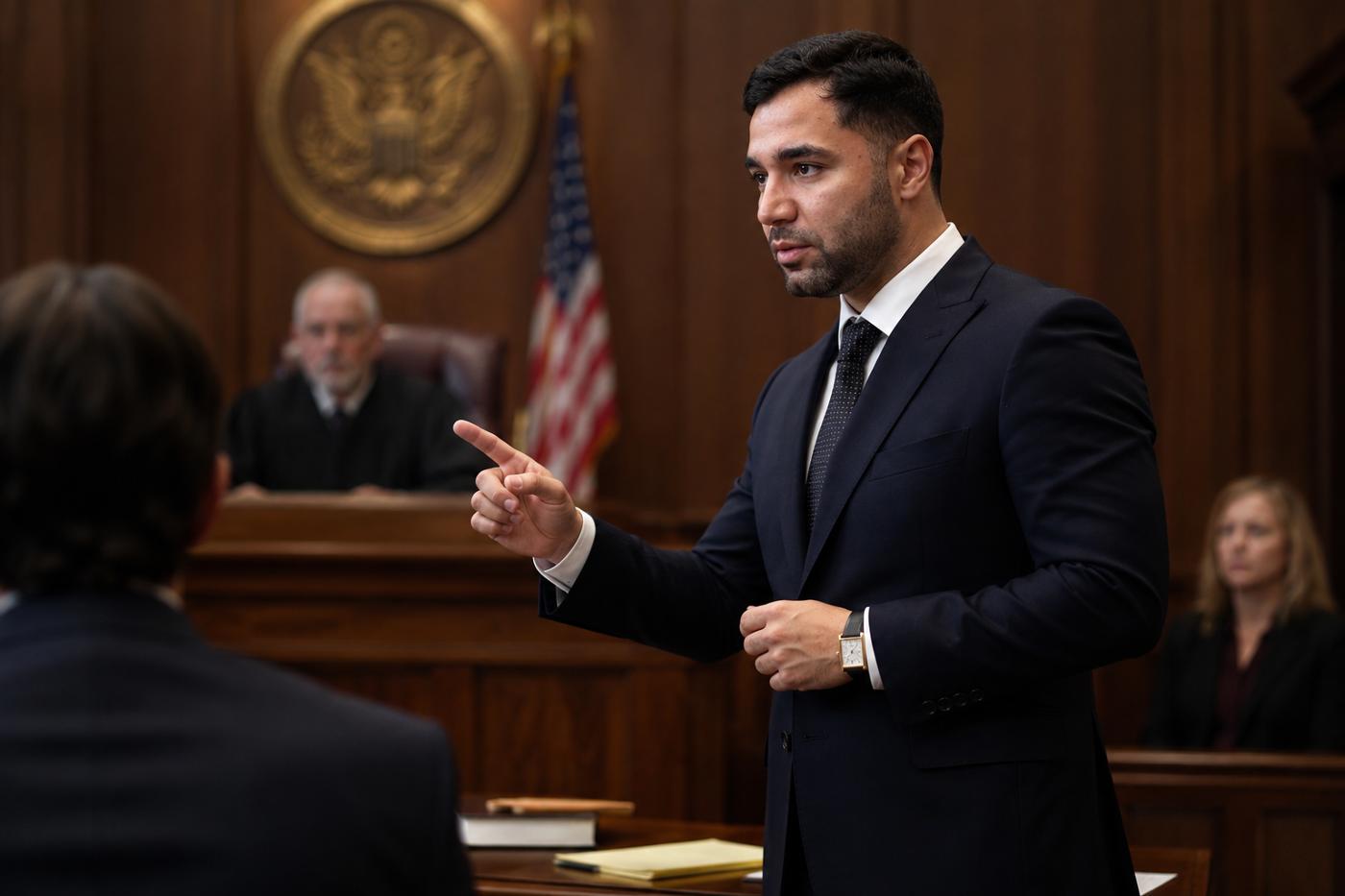
Why Insurance Companies Call You First—And Why You Should Be Cautious
Quick answer: Insurance adjusters call shortly after your accident because you're injured, undiagnosed, and unrepresented, and California law does not require you to give them a statement.
That first adjuster call isn't random timing. You're dealing with pain, possibly on medication, and still trying to make sense of what happened. The insurance company is banking on exactly that. These calls follow a script meant to capture your version of events while your memory is sharp but your medical diagnosis is still incomplete. Everything you say gets recorded in the permanent claim file and can be used later to reduce their payout.
In California, you have two years from the date of injury to file a lawsuit under Code of Civil Procedure Section 335.1—but statements you give during claims handling can still be used as evidence in court. A casual "I'm doing okay" said out of politeness becomes permanent documentation that can later be interpreted as proof your injuries weren't serious. That's not paranoia; it's how claims are actually handled.
What appears to be customer service is actually a cost control operation. The adjuster's job is to investigate and process claims according to their company's guidelines. They're documenting information to limit what the insurer has to pay—not to help you get better. California regulators recognize this tension, which is why Cal. Ins. Code §790.03 specifically prohibits 16 unfair claims practices that insurers cannot use.
Many Sacramento accident victims—especially those injured on Highway 99, Florin Road, or near intersections around Fruitridge Plaza—feel they should cooperate right away. That impulse makes sense, but jumping in without legal guidance is where claims start falling apart. Before you say anything substantial, speak with an attorney at Malekan Law Group during a free case consultation.
Should I Talk to the Adjuster? The Real Answer
Key facts at a glance:
- Legal duty to at-fault insurer: None under California law.
- Duty to your own insurer: Contractual cooperation under Cal. Ins. Code §2071.
- Adjuster response deadline: 15 calendar days under Cal. Code Regs. tit. 10 §2695.5(b).
- Claim accept/deny deadline: 40 calendar days under §2695.7(b).
- Bad faith statute: Cal. Ins. Code §790.03.
Q: Should I talk to the adjuster?
A: No — California law does not require you to give a statement to the at-fault driver's insurer, and Malekan Law Group can intercept all communication once retained.
Don't talk to the other driver's insurance adjuster before consulting an attorney. You have no legal obligation to give a statement, answer questions, or explain the accident to the at-fault party's insurer. California law doesn't require it, and the adjuster knows it—even when their tone suggests otherwise.
Here's what actually happens: adjusters follow company protocols designed to manage claims efficiently and gather information that supports their investigation. Your answers get recorded and become part of the permanent claim file. A statement made early, before your full medical picture emerges, creates inconsistencies later when new symptoms or diagnoses surface. A delayed-onset condition like a herniated disc or concussion may not show up for days, but saying you felt "relatively okay" in an initial call can complicate your case for months.
Your own insurer works differently. You typically have a contractual obligation to cooperate with them under California Insurance Code Section 2071, but that doesn't mean jumping on the phone unprepared. Failing to submit to an Examination Under Oath when required can theoretically void coverage, but that obligation applies only to your own insurer, never to the at-fault driver's carrier. Malekan Law Group handles all communications by routing adjuster questions through our office and ensuring nothing you say undermines your medical bills, lost wages, or pain and suffering claim. If an adjuster has already called, reach out before your next conversation.
Why Does Insurance Want a Recorded Statement? Understanding Their Strategy
Insurance companies want a recorded statement because it creates a permanent record they can reference during settlement negotiations and, if necessary, in legal proceedings. Once your words are recorded, they become difficult to retract or clarify—even when your accident memory sharpens or new medical evidence emerges.
That recorded statement stays in the claim file permanently. Small inconsistencies get used later: saying the light was "yellow" early on and recalling it as "red" later, or estimating speed at "maybe 30" versus "around 35." These differences matter during settlement discussions and may be referenced if you testify under California rules of evidence.
You're fighting an uphill battle from the moment you answer. Right after the crash, you're managing shock, pain medication, and real uncertainty about how serious your injuries actually are. Saying "my neck is a little sore" before an MRI shows a herniated disc creates an early statement that doesn't match your full medical situation.
Adjusters are trained to be friendly and conversational while systematically extracting information. When Malekan Law Group screens these calls, we eliminate the pressure and protect your communication record by ensuring responses are thoughtful and strategic.
The Risks of Providing Recorded Statements Without Legal Counsel
Recorded statements become permanent claim file records that stay relevant throughout the claims process. Under California Code of Civil Procedure Section 335.1, accident victims have two years from the date of injury to file a lawsuit—and statements you give during claims handling remain available as evidence in that litigation.
Casual language can be twisted into meaning you didn't intend. Comments like "I wasn't paying full attention" or "I looked down for a second" get highlighted as evidence of inattention, which matters under California's comparative negligence rules. Pure comparative negligence means a fault assignment reduces recovery dollar-for-dollar.
Your initial injury description becomes the benchmark in the claim file. Tell an adjuster your back is "just a little sore" before imaging reveals a herniated disc, and that early statement becomes documented fact—cited when settlement talks come up.
When adjusters conduct these interviews, they follow a structured process that documents your answers and creates a permanent record of questions and responses.
Once created, recorded statements stay in the claim file permanently and cannot be removed or revised. Before any adjuster calls back, have our team at Malekan Law Group's Southeastern Sacramento office handle the communication so nothing gets on record without your attorney's oversight.
How Early Settlement Offers Can Trap Accident Victims
An early settlement offer is almost always significantly below what a personal injury claim's full value is once treatment is complete and long-term prognosis is established. Insurers extend these offers within days of the accident because that's when they know the least about your injuries and your claim is hardest to value.
The logic is straightforward. At the one-week mark, nobody knows whether your soft tissue strain is actually a herniated disc requiring surgery, whether headaches are post-concussion syndrome, or whether mobility issues will become permanent. Adjusters know this uncertainty exists, so they offer fast cash in exchange for a signed release before this information emerges.
That signed release is where the trap closes. Once you sign, you forfeit the right to pursue compensation for any complication that surfaces later—even years later. Traumatic brain injury symptoms can emerge weeks after impact. Chronic pain conditions often take months to diagnose. Spinal issues frequently worsen with time. A $15,000 quick settlement looks reasonable until you're facing $80,000 in surgery costs you now owe yourself. Under California Code of Civil Procedure Section 877.6, a partial settlement with one defendant in good faith bars contribution claims from non-settling defendants—a doctrine that matters in multi-vehicle Highway 99 pileups where rushing to settle with one insurer can permanently affect recovery from others. California Civil Code Section 1542 requires that any general settlement release expressly waive unknown future claims—meaning a quick insurance settlement signed before maximum medical improvement permanently bars recovery for later-discovered injuries unless this waiver is specifically negotiated.
Before signing anything, let Malekan Law Group review the offer during a free consultation. Our team also handles cases throughout Florin, Elk Grove, and Lemon Hill—we know what local claims are actually worth.
What Happens When You Don't Answer: Can Your Claim Be Denied?
Q: Can my claim be denied if I don't answer the adjuster?
A: No — refusing a recorded statement or retaining counsel is not a lawful basis for denial, and pretextual denials can expose insurers to bad faith liability under California Insurance Code Section 790.03.
Your claim cannot be automatically denied simply because you refuse to speak with an adjuster before consulting an attorney. There is no California law requiring you to give a recorded statement to the at-fault driver's insurer, and exercising your right to legal counsel is not grounds for denial.
Adjusters often imply otherwise. You might hear "we can't process your claim without your statement" or "we'll have to close the file." These are pressure tactics, not legal requirements. The insurer still has independent obligations to investigate using the police report, scene photos, witness accounts, and their own insured's statement. California Code of Regulations Title 10, Section 2695.7(b) requires insurers to accept or deny a claim within 40 calendar days of receiving proof of claim, which means an adjuster's claim that "we can't move forward without your recorded statement" contradicts the regulatory timeline.
Q: How long does the at-fault insurer have to acknowledge a personal injury claim in California?
A: Under California Code of Regulations Title 10, Section 2695.5(e), insurers must acknowledge receipt of a claim within 15 calendar days and begin investigation within that same window.
If an insurance company denies a claim solely because the injured party retained an attorney or declined an immediate recorded statement, that denial may be challengeable—and in some cases, it exposes the insurer to potential bad faith claims. California Insurance Code Section 790.03 prohibits insurers from misrepresenting policy provisions or compelling insureds to institute litigation to recover amounts due. California Code of Regulations Title 10, Section 2695.4(a) requires insurers to disclose all benefits, coverage, time limits, or other provisions of any insurance policy that may apply to the claim—meaning Malekan Law Group can demand written disclosure of umbrella policies, MedPay limits, and underinsured motorist coverage that adjusters often omit from initial conversations.
The dynamic shifts immediately when Malekan Law Group steps in. We respond to the adjuster on your behalf, provide the legitimate claim information they actually need (policy details, accident facts, medical documentation), and manage the process professionally. The insurer gets what the law requires—nothing more. If an adjuster is threatening denial to pressure you, call our team before responding so we can document the communication and protect your rights.
How Malekan Law Group Protects Your Claim by Handling Insurance Communications
Once you retain Malekan Law Group, every adjuster call routes through our office—not your phone. We screen contact attempts, log each communication in writing, and respond with prepared answers that protect your claim's value rather than expose it.
Attorney Sam Malekan was admitted to The State Bar of California in 2021 and remains in active, good standing as a licensed California attorney concentrating on Sacramento-area personal injury work. That matters because we know exactly which questions adjusters from major carriers ask and the safe, accurate way to respond without creating misunderstandings about your injuries or the accident.
The negotiation dynamic shifts the moment an attorney enters the picture. Roughly 95% of cases handled by Malekan Law Group settle before trial—and insurers know we're prepared for the ones that don't. Insurance companies typically spend more on trial costs than they would pay to accident victims, which provides leverage for law firms to negotiate fair compensation. We've worked hundreds of Highway 99 rear-end cases, Florin Road pedestrian claims, and Stockton Boulevard left-turn collisions. Early calls offer inadequate amounts before medical treatment finishes; once we send a representation letter and treatment records accumulate, settlement discussions become realistic. That pattern shows why timing matters and why attorney involvement changes how insurers approach negotiation.
We also control timing. Settlement discussions are delayed until medical treatment is complete, imaging is finalized, and long-term prognosis is documented—because a claim valued at week two is rarely the same claim valued at month six. If an adjuster is already calling, schedule your free consultation before responding again.
Types of Personal Injury Cases Where Attorney Communication Makes the Biggest Difference
The risks of unguided insurance contact escalate based on accident type, and each category carries its own dynamics that adjusters navigate when victims handle calls alone.
Car accident cases hinge on comparative fault analysis. Comments about your speed, where you looked, or road conditions can be framed within comparative negligence rules—directly affecting settlement value. One significant local hazard driving our intake volume is drivers attempting left turns at Sacramento intersections against oncoming green-light traffic, where fault assessment often involves both parties' actions.
Truck accident cases involve federal motor carrier regulations, driver logbooks, and layered commercial insurance coverage. Adjusters for trucking insurers exploit the fact that most victims don't know which rules apply. Federal Motor Carrier Safety Regulation 49 CFR Part 395 requires commercial truck drivers to maintain hours-of-service logs, and these records must be preserved for at least six months—making prompt evidence preservation important in Highway 99 truck accident cases. Our truck accident team handles these communications routinely.
Motorcycle accident cases face built-in challenges. Adjusters bring assumptions about rider behavior and ask questions that may reinforce those assumptions. Comments about lane position or riding style require careful handling.
Pedestrian accident cases—especially hit-and-run incidents—benefit from attorney involvement because early statements get locked in before new evidence surfaces. For hit-and-run pedestrian and bicycle cases, Malekan Law Group pulls area video surveillance, files supplemental police reports, and retains licensed investigation companies to trace at-fault drivers from partial license plate numbers. California Vehicle Code Section 17150 holds vehicle owners liable for negligent operation by permissive users up to $15,000 per person and $30,000 per accident for bodily injury, which is why identifying all potentially liable parties before responding to adjusters is critical.
Wrongful death cases demand the most caution. Statements from grieving spouses, parents, or children require careful handling and should not be made without legal guidance.
Traumatic brain injury cases require care in early statements because neurological symptoms often emerge gradually over weeks. Early characterizations of injury severity may not reflect the ultimate diagnosis.
What to Do Immediately After an Accident to Protect Your Claim
Quick answer: The first 72 hours after a Sacramento accident shape the entire trajectory of your claim. Six specific actions protect your case before insurance pressure begins:
Two California statutes set hard reporting deadlines in this window. California Vehicle Code Section 20008 requires drivers involved in an accident causing injury to file a written report with the CHP or local police within 24 hours, and failing to do so can be referenced by adjusters when questioning claim legitimacy. California Vehicle Code Section 16000 requires drivers to file an SR-1 form with the DMV within 10 days of any accident involving injury, death, or over $1,000 in property damage, regardless of fault.
- Decline recorded statements until represented. Once you've hired counsel, direct any adjuster to contact Malekan Law Group at +1 (279) 200-6397. You are not required to give a statement to the at-fault insurer.
- Document the scene yourself. Take wide-angle photos, close-ups of vehicle damage, skid marks, traffic signals, and your visible injuries. Record short videos and write down what you remember—but do not discuss fault or injury severity with anyone present.
- Collect witness and driver information. Get names, phone numbers, license plates, and insurance details. Do not elaborate on how the accident happened while exchanging information.
- Seek medical treatment promptly. Keep every record, bill, imaging report, and lost wage document. Document what medical professionals tell you without speculation about recovery timelines.
- Call an attorney within days, not weeks. Evidence disappears, surveillance footage gets overwritten, and witnesses become unreachable. Same-week consultations are available. Surveillance footage from gas stations, convenience stores, and traffic cameras along Florin Road and Stockton Boulevard is typically overwritten within 7 to 30 days, which is why Malekan Law Group dispatches preservation requests within the first 48 hours of retention.
- Stay off social media. Insurers monitor public posts for any content that might be interpreted as contradicting injury claims.
If the crash happened in Fruitridge Pocket, Meadowview, or anywhere across Southeastern Sacramento, call before the adjuster calls you.
Why 95% of Cases Settle Before Trial—And Why This Timing Matters
Quick answer: About 95% of personal injury cases settle before trial because insurance companies spend more on litigation costs than they would on fair settlements—but only complete medical documentation and credible trial readiness produce that leverage.
Key facts at a glance:
- Settlement rate: 95% of Malekan Law Group cases resolve before trial.
- Statute of limitations: Two years from injury date under CCP §335.1.
- Insurer acknowledgment deadline: 15 calendar days under Cal. Code Regs. tit. 10 §2695.5.
- Insurer accept/deny deadline: 40 calendar days under §2695.7(b).
- Surveillance footage retention: Typically 7 to 30 days before overwrite.
- Attorney fee: Pure contingency — no recovery, no fee.
Roughly 95% of personal injury cases that Malekan Law Group has handled settle before trial, and the reason is straightforward: insurance companies spend more on litigation costs, expert witnesses, and jury trials than they would pay in a negotiated settlement. That financial reality creates negotiating leverage—but only if the case is built strategically.
Leverage requires three things: documented liability, complete medical treatment, and credible trial preparation. Without all three, an adjuster has no incentive to raise their offer beyond the initial range. Early settlement discussions—those happening days or weeks after the crash—skip past these prerequisites because the claim hasn't been fully valued yet. You don't know what your MRI will show, whether physical therapy will resolve symptoms, or whether surgery will be required.
Does waiting hurt the claim? No. Waiting strategically increases value because settlement figures track documented damages. Premature offers exist precisely to capture you before that documentation emerges.
At Malekan Law Group, we time settlement negotiations to begin after medical treatment progresses, then leverage the insurer's preference for settlement. If you've already received an offer, have it reviewed before signing anything.
Sacramento Neighborhoods Where We Handle Insurance Claim Cases
Malekan Law Group handles insurance claim disputes across every major Southeastern Sacramento neighborhood, and local geography shapes the type of cases we see in each one.
In Fruitridge Pocket and Lemon Hill, left-turn collisions at busy intersections like Fruitridge Road and 65th Street generate cases involving fault assessment and insurance disputes. Malekan Law Group's Southeastern Sacramento office at 4600 47th Ave, Suite 110, Sacramento, CA 95824 sits within driving distance of Fruitridge Pocket, Lemon Hill, Florin, and Elk Grove residents who need same-week consultations after a crash.
Florin and Elk Grove sit on heavy commercial corridors where Highway 99 truck traffic feeds local distribution routes. Malekan Law Group serves clients along the Highway 99 corridor between the Fruitridge Road and Mack Road exits, a 4-mile stretch responsible for a disproportionate share of the firm's rear-end and commercial truck collision intakes. Big rig and delivery truck claims concentrate here, and the insurance carriers behind commercial policies follow standard claims procedures.
Greenhaven and Land Park border the American River Parkway, where bicycle and electric scooter injuries cluster along bike routes intersecting with vehicle traffic. Oak Park and Meadowview experience elevated pedestrian accident rates near shopping districts along Stockton Boulevard and Mack Road.
Vineyard and Pocket neighborhoods connect to Highway 99 and Interstate 5, generating multi-vehicle incidents and rideshare collisions involving Uber and Lyft drivers. We also handle insurance claims throughout Curtis Park and Vineyard. Wherever the crash happened, call +1 (279) 200-6397 before responding to any adjuster.
How to Choose the Right Personal Injury Attorney for Your Insurance Claim
Quick answer: The right personal injury attorney is actively licensed by the State Bar of California, handles your specific accident type regularly, and works on a pure contingency fee—not someone who lists every practice area on a billboard.
Start by verifying the attorney's standing directly through the State Bar of California's public database. Attorney Sam Malekan was admitted to The State Bar of California in 2021 and remains in active, good standing, concentrating on Sacramento-area personal injury work.
Next, get the fee structure in writing. A true contingency arrangement means zero retainer, zero hourly billing, and zero out-of-pocket cost—your attorney is only paid if compensation is recovered. That alignment keeps your lawyer focused on maximum value.
Match experience to your accident type. Car, truck, motorcycle, pedestrian, bicycle, rideshare, and wrongful death claims each follow different liability rules and insurance frameworks. Ask directly how many of your specific case type the attorney has handled.
Use the free consultation to your advantage. Bring any voicemails, letters, or notes from adjuster calls. Confirm in writing that the firm will manage all future insurer contact on your behalf. Schedule yours with Malekan Law Group at +1 (279) 200-6397 before the next call comes in.
Our Process: From Initial Consultation to Claim Resolution
Hiring Malekan Law Group follows a five-stage process designed to remove pressure from you and place it back on the insurance company.
Stage 1 — Free Consultation. Every case opens with a 100% free, no-obligation review of accident details, injuries, and insurance information. We identify immediate risks—pending adjuster calls, looming statute deadlines, evidence at risk of disappearing—and outline next steps before you leave the meeting. Our case evaluation reviews five specific risk vectors during the free consultation: pending recorded statement requests, premature settlement offers, statute of limitations exposure, evidence preservation gaps, and comparative fault arguments already seeded by adjuster questioning.
Stage 2 — Representation Notice. Once retained, we notify every involved insurer within 24 hours that we represent you, requesting all future communication route to our office. Adjuster calls to your phone stop that day. Under California Code of Regulations Title 10, Section 2695.5(b), insurance adjusters must respond to claimant communications within 15 calendar days, meaning when Malekan Law Group sends a letter of representation, the adjuster is legally required to acknowledge it on that timeline.
Stage 3 — Evidence Build. We collect medical records, billing statements, police reports, witness statements, surveillance footage, and where applicable, commercial driver logs. No settlement discussion happens until your damage profile is complete.
Stage 4 — Negotiation. We handle every offer and counteroffer, walking you through the strengths and weaknesses of each number so you decide from information, not pressure.
Stage 5 — Trial Preparation. If the insurer refuses fair value, we prepare expert testimony, exhibits, and courtroom strategy. That readiness often produces the final settlement.
Start Stage 1 today by calling +1 (279) 200-6397. Our intake protocol issues a written letter of representation and an evidence preservation demand within 24 hours of retention, simultaneously notifying the at-fault insurer, your own carrier, and any commercial trucking company involved.
Common Mistakes Accident Victims Make With Insurance Companies
Five mistakes derail more Sacramento personal injury claims than any others—and each one is preventable with attorney involvement.
Accepting the first offer. Initial settlements rarely account for delayed-onset injuries, future surgeries, ongoing physical therapy, or lost earning capacity. Signing a release before treatment is complete forfeits everything that surfaces later.
Volunteering extensive medical histories during calls. Adjusters may reference prior medical treatment to argue that your current condition predated the accident. A prior chiropractor visit from 2019 can become a reference point in settlement discussions.
Talking to the other driver or their insurer without documentation. Conversations at the scene or in follow-up calls become part of the record—sometimes with different interpretations depending on who documents them.
Signing broad medical authorizations. These forms often grant access to your entire medical history—not just accident-related records. Adjusters may reference unrelated treatment in settlement discussions.
Posting on social media. Photos or posts that appear to show you engaging in activities can be interpreted by insurers as contradicting injury claims.
Before any of these situations affect your claim, call Malekan Law Group at +1 (279) 200-6397 for a free consultation.
Why Insurance Communications Require Immediate Attorney Involvement
The first 72 hours after an accident determine the direction of your claim. Evidence is freshest, witnesses are reachable, surveillance footage hasn't been overwritten yet, and your statements will form the baseline for the claim file. Decisions made—or avoided—in that window often dictate the trajectory of your case.
Adjusters call during this period as part of standard claims procedure. That timing isn't unique to problematic claims; it's how the system operates everywhere. The earlier they reach you, the less you know about your injuries, your damages, and what your claim is actually worth.
Calling Malekan Law Group at +1 (279) 200-6397 immediately changes the equation. Once we're involved, every adjuster call routes through our office, every communication gets documented, and every response is built to protect—not harm—your claim's value. Attorney Sam Malekan, licensed by The State Bar of California since 2021, manages these conversations the same day you retain us.
Cost is not a barrier. We work on pure contingency: zero retainer, zero hourly fees, zero upfront expense. You pay a percentage only if we recover compensation for you. If we don't win, you owe nothing.
Next Steps: Protect Your Claim Today
If you've already spoken with an insurance adjuster, don't panic. Malekan Law Group can still protect your claim by taking over communications immediately, formally notifying the insurer of representation, and managing any further dialogue. The sooner we step in, the less leverage the adjuster keeps.
If you haven't been contacted yet, act before that first call lands. Phone Malekan Law Group at +1 (279) 200-6397 to discuss your accident and ensure every future insurer contact flows through our office instead of catching you off guard at home, at work, or in a hospital bed.
Your free consultation reviews the specific facts of your crash, identifies immediate risks—pending recorded statements, early settlement offers, evidence at risk of disappearing—and confirms the strategy that protects your recovery. Same-week appointments are available at our office at 4600 47th Ave, Suite 110, Sacramento, CA 95824—less than two miles from Florin Road and the Highway 99 corridor where many of the firm's truck and rideshare collision cases originate. Malekan Law Group answers calls Sunday through Thursday from 6 AM to 11:30 PM and Friday from 6 AM to 1 PM, so accident victims pressured by late-night adjuster voicemails can reach an attorney before responding.
Insurance companies count on accident victims handling claims alone. You don't have to, and you shouldn't. Call +1 (279) 200-6397 today and let an attorney protect what you're actually owed.
Key Takeaways
- You have no legal duty to give a recorded statement to the at-fault driver's insurer in California.
- Insurers must acknowledge a claim within 15 days and accept or deny within 40 days under Cal. Code Regs. tit. 10 §§2695.5(b), 2695.7(b)—regardless of whether you give a statement.
- The statute of limitations for personal injury in California is two years from injury date under CCP §335.1.
- Settlement releases waive unknown future claims under Cal. Civ. Code §1542 unless specifically negotiated.
- Malekan Law Group works on pure contingency—no fee unless we recover compensation.
- Office: 4600 47th Ave, Suite 110, Sacramento, CA 95824 · Phone: +1-279-200-6397.
Frequently Asked Questions
29 questions answered
Should I talk to the adjuster after my accident?
No. Under California law, you have no legal obligation to give a statement to the at-fault driver's insurance adjuster, and doing so can reduce your claim's value. Adjusters use leading questions designed to shift fault onto you or lock you into a version of events before injuries are fully diagnosed. Cal. Code Regs. tit. 10 §2695.7(b) still requires the insurer to accept or deny your claim within 40 calendar days of proof of claim — with or without your statement. Contact Malekan Law Group at 279-200-6397 for a free consultation before your next conversation.
Why does insurance want a recorded statement from me?
Insurance companies want recorded statements because they create a permanent record they can use against you months or years later to find inconsistencies and impeach your credibility. Once your words are on tape, they become extremely difficult to retract or clarify, even when new medical evidence emerges or your memory sharpens. Adjusters use these recordings to compare your early statements against deposition testimony and medical records, hunting for minor discrepancies to frame as dishonesty in front of a jury.
Can my personal injury claim be denied if I don't answer the insurance company's call?
No. Refusing a recorded statement or retaining counsel is not a lawful basis for denial of a third-party personal injury claim in California. Pretextual denials can expose insurers to bad faith liability under California Insurance Code Section 790.03, which prohibits misrepresenting policy provisions or compelling claimants to file suit to recover amounts due. You typically do owe contractual cooperation to your own insurer under Cal. Ins. Code §2071, but never to the at-fault driver's carrier. Malekan Law Group can handle all communications on your behalf.
What are the main risks of giving a recorded statement without a lawyer?
Four documented harms occur when you give a recorded statement without legal counsel: casual phrases get weaponized into negligence evidence, your initial injury description becomes the baseline for your entire claim, adjusters use leading questions to lock you into their preferred narrative, and the recording is permanent and cannot be retracted or clarified later. Under California's pure comparative negligence rule, even a 25 percent fault assignment cuts a $100,000 claim down to $75,000, making every word in that recording critical to your recovery. Prior results do not guarantee a similar outcome; every case depends on its specific facts.
What should I do if an insurance adjuster has already called me?
If an adjuster has already called you, reach out to Malekan Law Group immediately at 279-200-6397 before your next conversation with insurance. Our attorneys can review what you said, advise you on how to proceed, and handle all future communications so nothing else you say damages your claim. We serve accident victims across Southeastern Sacramento, including Fruitridge Pocket, Lemon Hill, Florin, Elk Grove, and surrounding neighborhoods.
How much does it cost to hire a personal injury attorney near me?
Malekan Law Group handles personal injury cases on a contingency fee basis, which means you pay absolutely nothing out of pocket—no retainer, no hourly rates, no legal fees of any kind unless we successfully recover compensation for you. Every case begins with a 100 percent free, no-obligation consultation where we review the details of your situation and provide honest guidance on your legal options. Our fee is a percentage of the settlement or verdict we obtain on your behalf, and if we don't win, you owe us nothing.
What questions do adjusters typically ask to get you to admit fault?
Adjusters use leading questions engineered to lock you into their preferred narrative, such as 'So you didn't see him until the last second, right?' or 'You weren't paying full attention, were you?' These questions sound conversational but are designed to plant the seed of inattention in the record. They also ask open-ended questions about the accident sequence and your actions, looking for offhand comments like 'I looked down for a second' that can later be twisted into proof of comparative fault under California law.
Can I be sued if I don't respond to an insurance company's call?
You cannot be sued for failing to respond to the at-fault party's insurance company call because you have no legal obligation to cooperate with their adjuster under California law. Your potential duty to cooperate exists only with your own insurance company as part of your policy contract. Even so, all communications with your insurer benefit from attorney guidance to ensure nothing you say undermines your claim for medical bills, lost wages, or pain and suffering.
What happens if I say the wrong thing to an insurance adjuster?
If you say the wrong thing to an adjuster, that statement becomes permanent evidence that can haunt your case for months or years. A casual comment like 'I'm doing okay' said out of politeness can show up in settlement negotiations as proof your injuries weren't serious, or a thrown-away phrase like 'I wasn't paying full attention' can be twisted into proof of comparative negligence that reduces your entire claim. Once words are recorded, they cannot be retracted or clarified, giving the insurer ammunition in every negotiation and potential trial.
How long after an accident do insurance companies typically call?
Insurance adjusters typically call within 24 to 48 hours of your accident because that window favors them. At that point you're still in pain, possibly medicated, and undiagnosed, while the adjuster is trained, scripted, and working from a playbook designed to limit payouts. In our intake history, the same pattern repeats: sympathetic call within two days, recorded statement request before day three, and a sub-$15,000 offer before the first MRI. Before you answer that first call, contact Malekan Law Group at 279-200-6397. Prior results do not guarantee a similar outcome; every case depends on its specific facts.
Why do adjusters sound so friendly if they're working against me?
Adjusters are professionally trained to sound conversational and friendly while steering you toward damaging admissions through softened tone, open-ended questions, and strategic follow-ups designed to circle back to fault. Their job performance is measured by how low they keep payouts, not by customer service, so they use a friendly interview style to disarm your caution while building a file to minimize your recovery. This is standard claims practice, not paranoia—they're skilled at getting accident victims to say things that reduce their own compensation.
What's the difference between talking to my own insurance and the other driver's insurance?
You typically have a contractual duty to cooperate with your own insurance company, but you have zero obligation to speak with the at-fault party's adjuster—and their questions are designed to reduce what they pay you, not to help you. Your own insurer's goals are more aligned with yours, though even those calls benefit from attorney guidance to ensure nothing you say undermines your medical bills, lost wages, or pain and suffering claim. Malekan Law Group can handle all communications with both companies to protect your interests.
Can an insurance company record my phone call without telling me?
California is a two-party consent state, meaning both parties to a conversation must agree to recording for it to be legal—however, insurance adjusters routinely inform you they're recording at the start of the call or bury that notification in their standard opening script. More importantly, recorded or not, everything you say in that call becomes logged and documented in their claims file and can be used against you later. This is why having an attorney screen these calls protects you far more than worrying about recording status.
What should I say if an adjuster calls and I'm not ready to talk?
If an adjuster calls and you're not ready to talk, you can simply say, 'I'm not prepared to discuss this right now—please contact my attorney,' and then hang up or provide Malekan Law Group's phone number. You have no obligation to say anything more, answer their questions, or explain why you're declining. After your free consultation with us at 279-200-6397, all future adjuster calls will be routed through our office, removing the pressure and risk from you entirely.
How do I know if an insurance company's early settlement offer is too low?
An early settlement offer is almost always 30 to 50 percent below what a personal injury claim is actually worth, and insurers extend these offers within days of the accident when leverage is on their side—you're hurting, missing work, and watching bills stack up. The true value of your claim depends on your actual medical bills, lost wages, pain and suffering, permanent injury, and liability evidence, none of which are fully known in the first days after an accident. Malekan Law Group provides a free case consultation to evaluate what your claim is truly worth before you accept any offer.
What happens to my claim if I accept an early settlement offer?
If you accept an early settlement offer, you release the at-fault party and their insurer from all liability, meaning you cannot pursue additional compensation later even if your injuries worsen or new medical conditions emerge. Early settlement offers are designed to close claims quickly and cheaply before you fully understand your injuries or have time to consult an attorney. This is why accepting any offer without legal review is one of the most costly mistakes accident victims make in their recovery.
How long does a personal injury claim typically take to resolve?
Most personal injury claims are resolved through settlement before trial—about 95 percent of cases settle before going to trial according to industry data. The timeline depends on the severity of your injuries, how quickly medical treatment completes, and whether liability is clear, but most settlements take anywhere from several months to over a year. Malekan Law Group handles all negotiations so you can focus on healing while we pursue maximum compensation for your injuries and losses.
What happens if I don't have a recording of what happened at the accident?
The absence of video footage doesn't weaken your claim—liability is established through witness testimony, police reports, accident reconstruction, and the physical evidence at the scene, not just recordings. For hit-and-run cases, Malekan Law Group uses multiple investigative routes including collecting video surveillance footage of the area, filing police reports, and hiring investigation companies to locate the at-fault party when license plate numbers are available. Your attorney's investigation and advocacy matter far more than hoping for random video evidence.
Can comparative negligence reduce my settlement even if the other driver was mostly at fault?
Yes, California's pure comparative negligence rule means your settlement can be reduced based on your percentage of fault, no matter how small. If an adjuster gets you to admit even minor inattention or a casual mistake in a recorded statement, they can use that against you to claim you're 20 or 25 percent at fault and cut your compensation accordingly. This is exactly why every word in communication with an adjuster matters and why having Malekan Law Group handle these calls protects your full recovery.
What if my injuries don't show up immediately after the accident?
Many injuries like herniated discs, concussions, and post-concussion syndrome don't show up for days or weeks after an accident, but an early recorded statement saying 'I feel fine' or 'my neck is a little sore' can undercut your later medical findings and make you look dishonest. Adjusters count on accident victims underestimating their injuries in the shock and adrenaline of the first hours after impact. This is why delaying any statement until after you've received medical evaluation and consulted an attorney is critical to protecting your claim's value.
Should I get a lawyer before or after the insurance company calls?
Ideally, you should consult an attorney before the insurance company calls so you're prepared for how to handle that first contact. If an adjuster has already called, contact Malekan Law Group immediately at 279-200-6397 before any follow-up conversations. Every case begins with a 100 percent free, no-obligation consultation, and we serve accident victims across Southeastern Sacramento including Fruitridge Pocket, Lemon Hill, Florin, Elk Grove, and surrounding neighborhoods.
What should I do if an adjuster misrepresents what I said during a call?
If an adjuster misrepresents your statement, you'll have a much harder time correcting the record once their version is logged into their claims file, which is why preventing that misrepresentation in the first place by using an attorney is so critical. If you've already given a recorded statement and believe it was mischaracterized, contact Malekan Law Group immediately—we can review the recording, document the distortion, and make sure your true position is reflected in all future negotiations and legal proceedings.
How does Malekan Law Group protect my claim when handling insurance communications?
When Malekan Law Group handles all communications with adjusters, they route their questions through us instead of pressuring you directly, and we make sure nothing you say undermines your medical bills, lost wages, or pain and suffering claim. We control the timing, tone, and content of every interaction, preventing the casual admissions and leading questions that trap unrepresented accident victims. Our attorneys understand the tactics adjusters use and know exactly which questions are traps and which answers protect your full recovery.
What if the insurance company says they'll deny my claim if I don't talk to them?
The at-fault party's insurance company cannot deny your claim for refusing to speak with their adjuster because you have no legal obligation to cooperate with them under California law. If your own insurance company threatens denial for non-cooperation, that's a different legal issue, but even then, you should consult an attorney before accepting any pressure. Malekan Law Group can advise you on what communications are legally required versus optional and protect you from coercion.
How much of a settlement does Malekan Law Group typically recover for accident victims?
Settlement amounts depend entirely on the specific facts of your case—your medical bills, lost wages, injury severity, and liability evidence—which is why every case requires a free consultation to evaluate what you're actually owed. Insurance companies typically spend more on trial costs than what they would pay to accident victims, which provides leverage for law firms like Malekan Law Group to negotiate maximum compensation. We handle all negotiations so you receive what your claim is truly worth, not what an adjuster's early offer suggests.
Can I talk to an adjuster if I bring a friend or family member on the call?
Bringing a friend or family member on a call with an adjuster does not protect you because they cannot legally advise you, intercept leading questions, or prevent you from making damaging admissions. Only an attorney has the legal authority and training to protect your interests during these calls. This is why consulting Malekan Law Group before any contact with insurance is so important—we provide professional protection that no friend can offer.
What types of accident cases does Malekan Law Group handle?
Malekan Law Group represents injured victims across a wide range of personal injury and accident cases, including car accidents, truck accidents, motorcycle accidents, pedestrian accidents, bicycle accidents, Uber and Lyft accidents, wrongful death, scooter accidents, traumatic brain injuries, and elevator accidents. We serve accident victims across Southeastern Sacramento including Fruitridge Pocket, Lemon Hill, Florin, Elk Grove, and surrounding neighborhoods, and every case begins with a free consultation where we review your situation and provide honest guidance on your legal options.
How do I schedule a free consultation with Malekan Law Group?
You can reach Malekan Law Group at 279-200-6397 to schedule your free, no-obligation consultation, or visit our office at 4600 47th Ave, Suite 110, Sacramento, CA 95824. Open Sunday through Thursday from 6 AM to 11:30 PM, Friday from 6 AM to 1 PM, closed on Saturday. Speak directly with our attorneys about your accident, injuries, and options—no fees unless we successfully recover compensation for you.
What happens if I admit partial fault in a recorded statement?
If you admit partial fault in a recorded statement, even incorrectly or under pressure from a leading question, that admission becomes permanent evidence that adjusters will use to reduce your settlement under California's comparative negligence rule. A claim that you're 20 percent at fault cuts a $100,000 settlement down to $80,000, and that reduction comes directly from words on tape that cannot be retracted or explained away. This is why having Malekan Law Group handle these communications is so critical to protecting your full recovery. Prior results do not guarantee a similar outcome; every case depends on its specific facts.
Get In Touch With Malekan Law Group
Have a question or need a quote? We'd love to hear from you.
Contact Malekan Law Group
Send us a message and our team will get back to you within 24 hours.
-
Call Us
-
Response Time
Within 24 hours
Get In Touch
We would love to hear from you
Business Hours
| Sun | 6:00 AM – 11:30 PM |
|---|---|
| Mon | 6:00 AM – 11:30 PM |
| Tue | 6:00 AM – 11:30 PM |
| Wed | 6:00 AM – 11:30 PM |
| Thu | 6:00 AM – 11:30 PM |
| Fri | 6:00 AM – 1:00 PM |
| Sat | Closed |