
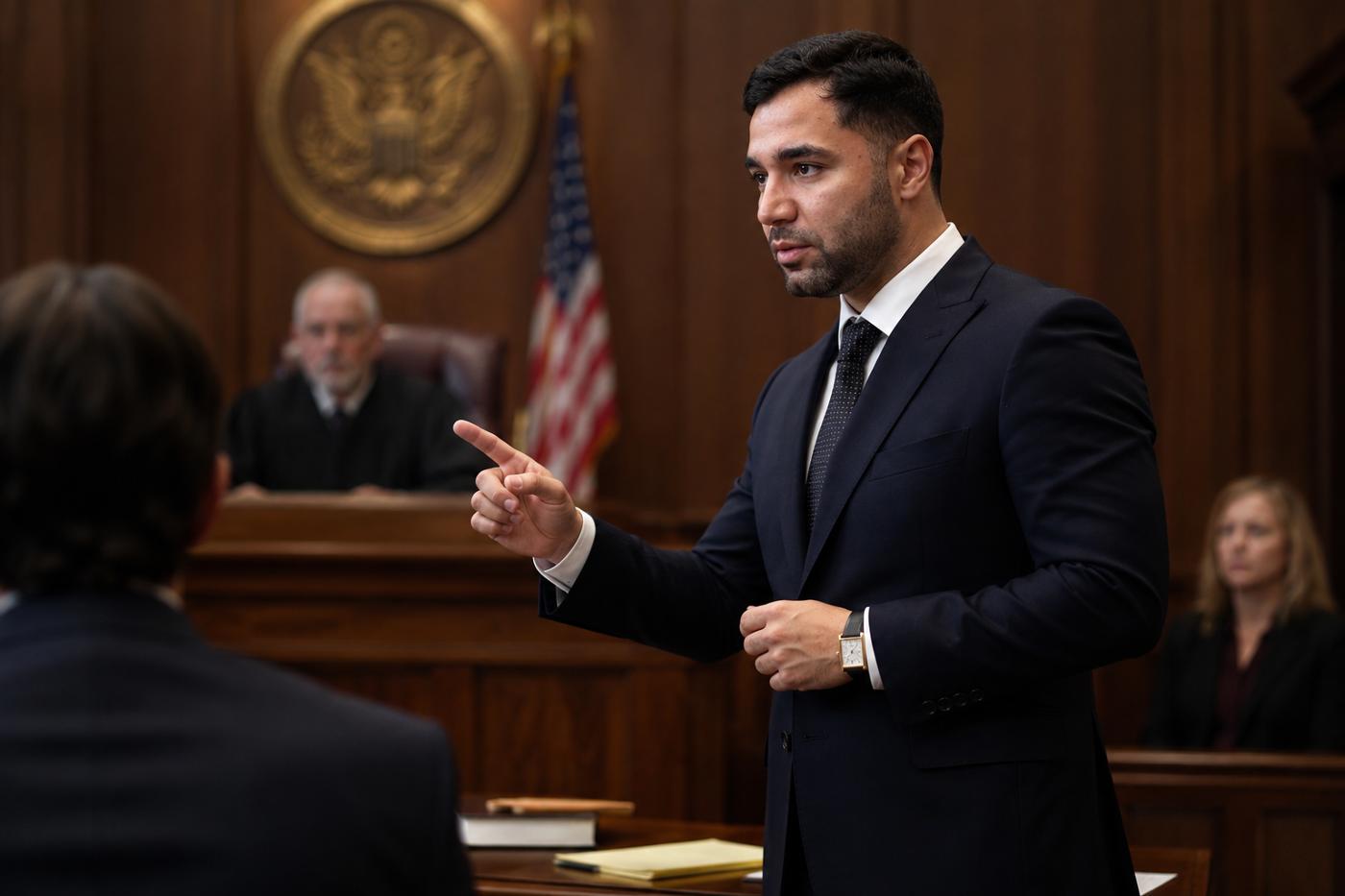
You Signed a Release — Here Is What That Actually Means for Your Case
A release is a legal contract, and like any contract under California law, it can be challenged when the circumstances surrounding its execution were flawed — fraud, misrepresentation, duress, or a mutual mistake about the true nature and extent of your injuries. Signing one does not automatically close your case forever.
Insurance adjusters often contact accident victims before a person has even seen a doctor. That urgency works against injured victims. When you sign before the full scope of your injuries is known, you risk surrendering rights that may be worth far more than the check you received.
One question that comes up constantly in these situations: does the signature itself carry the most legal weight? Actually, that's not the case — courts look at what you knew, what you were told, and whether you had a fair opportunity to understand what you were giving up.
Left-turn intersection collisions on Sacramento streets illustrate this problem clearly. These crashes frequently produce injuries — whiplash, soft tissue damage, even traumatic brain injuries — whose full severity does not appear until days or weeks later. A release signed before that diagnosis existed may give you legal grounds to challenge it. Malekan Law Group represents Sacramento-area accident victims in exactly these situations, and the first case review costs nothing.
Real Outcomes: What Clients Recovered After Thinking Their Case Was Closed
Malekan Law Group has resolved over 500 cases for accident victims throughout Sacramento and Southeastern Sacramento, bringing in millions of dollars in recoveries — including a single settlement exceeding $600,000 — as of the firm's most recent records in 2026. These numbers reflect real clients who faced the same doubt you may be feeling right now: that a signed document meant their claim was finished.
The firm is licensed by the State Bar of California and operates under a No Win, No Fee Guarantee — you pay nothing unless compensation is recovered on your behalf. That structure removes the financial barrier that prevents most people from even asking whether a release can be challenged.
Here's something worth keeping in mind: approximately 95% of personal injury cases settle before trial, because insurance companies typically spend more on trial costs than what they would pay to accident victims. Skilled negotiation — backed by evidence of misrepresentation, incomplete injury disclosure, or insurer bad faith — is often enough to resolve a disputed release without ever setting foot in a courtroom.
Accident victims in Meadowview, Florin, and surrounding neighborhoods have pursued compensation after believing their cases were over. Accepted an early settlement and now dealing with injuries that are far worse than expected? Contact Malekan Law Group at +1 (279) 200-6397 for a free case review.
When a Release Can Be Challenged: Legal Grounds California Courts Recognize
California law recognizes legal doctrines that can void a signed release. Each targets a different flaw in how the agreement was formed — not what it says, but whether the conditions for a valid contract actually existed when you signed it. The four most commonly argued grounds are:
Fraud or misrepresentation applies when an insurer made false statements about what the release covered, understated your injury severity, or concealed relevant policy information. If you were misled into believing the document was narrower than it was, a court can rescind it under California Civil Code §1572.
Duress or undue pressure addresses releases signed when genuine voluntary consent was absent — for example, when a victim was under significant stress immediately after a traumatic collision and lacked a fair opportunity to review what they were signing. Consent obtained through coercion is not legally binding.
Mutual mistake is a doctrine relevant to delayed-onset injuries. When neither party knew a traumatic brain injury or internal damage existed at signing, both parties may have entered the contract under a false shared assumption. California courts may set aside agreements built on that kind of foundational error.
Lack of capacity covers releases signed while a victim was hospitalized, sedated, or otherwise cognitively impaired — conditions that prevent meaningful understanding of the legal rights being waived. If any of these circumstances apply to your situation, call our team to discuss whether your release can be challenged.
The Latent Injury Problem: Why Many Sacramento Victims Sign Too Soon
Traumatic brain injuries, spinal disc herniations, and soft tissue damage can take days or even weeks after a collision to fully manifest — meaning the injury that will define your recovery may not yet be diagnosable when an adjuster presents a release to sign.
California courts examine what the injured person actually knew — and what was knowable — at the moment of signing, not what was later discovered. A release signed before a victim could reasonably have known about a serious underlying injury may not fairly prevent that victim from pursuing their claim.
The quick call, the fast check, the paperwork sent before you have seen a specialist — insurers have strong financial incentives to secure a signature before your medical picture is complete. Understanding that dynamic is the first step toward evaluating whether your release can be challenged.
Malekan Law Group handles traumatic brain injury cases and works directly with medical experts to document delayed symptom onset — documentation that becomes critical when arguing a release was premature. Symptoms that worsened after you signed may mean your case is not as closed as the insurer wants you to believe.
Types of Accident Cases Where Releases Are Most Commonly Disputed in Sacramento
Release disputes arise across every accident type Malekan Law Group handles, but the dynamics differ meaningfully by case category.
Car accidents — particularly rear-end collisions and left-turn intersection crashes in neighborhoods like Lemon Hill and Fruitridge Pocket — are a frequent context where insurers push for rapid settlements before injury severity is fully established.
Truck and commercial vehicle accidents involve significant complexity: serious injuries may not be immediately apparent, and releases signed early in the process may not name every liable party — the trucking company, broker, or cargo loader — leaving significant recovery on the table.
Motorcycle accident victims may be offered early settlements that do not account for long-term disability and chronic pain. Riders who accepted those offers and later discovered permanent impairment may have legal standing to revisit the agreement.
Rideshare accidents involving Uber or Lyft carry layered insurance coverage rules that can be difficult to navigate without legal guidance. Victims may not fully understand which policy tier the release actually extinguishes, which can create grounds for challenge. Our team handles these layered coverage disputes for clients across Southeast Village and Elk Grove.
Pedestrian and bicycle accident victims often sign while still in acute shock, before neurological or orthopedic assessments are complete. Wrongful death releases face the closest judicial scrutiny of all — courts are skeptical of agreements signed by grieving families before independent legal counsel was available.
What to Do If You Already Signed a Release After Your Sacramento Accident
Signing a release is not the final word — but your next moves matter enormously. Follow these steps before drawing any conclusions about whether your claim is truly over.
Stop communicating with the insurance company immediately. Do not answer adjuster calls, return emails, or sign any additional paperwork until an attorney has reviewed your situation. Every additional statement you make can be used to reinforce the release.
Gather every document connected to the claim. Locate the release itself, all adjuster correspondence, photographs from the accident scene, and every medical record dated from the collision forward. The completeness of this paper trail directly affects what legal remedies remain available.
See a doctor today and document every symptom. A condition that has worsened since signing needs to get into your medical record immediately. The timeline of symptom onset is one of the most powerful tools for challenging a premature release, and gaps in medical documentation weaken that argument significantly.
Contact Malekan Law Group for a free, no-obligation consultation. Attorney Sam Malekan will review the exact release language, the circumstances under which you signed, and whether any recognized ground exists to challenge it. Clients across Tahoe Park and Woodbine have started this same process at no cost. Under the firm's No Win, No Fee policy, you owe nothing unless compensation is recovered. Call +1 (279) 200-6397 to start your review.
What the Release Language Actually Says — and What Courts Look For
The specific words inside a release determine its enforceability far more than the fact that you signed it. California courts scrutinize release language for three things: scope, specificity, and fairness.
Broad "general releases" that purport to waive all claims, known and unknown, receive heightened scrutiny under California Civil Code §1542. That statute protects you from unknowingly surrendering claims you had no way to anticipate — unless the release contains an explicit, clearly stated waiver of §1542 itself. Boilerplate language that buries this waiver in fine print rarely survives a judicial challenge.
Courts also examine whether the release specifically names the injuries being released, the parties involved, and the claims being extinguished. Vague language like "any and all claims arising from any incident" without identifying the specific collision, injury type, or defendant weakens the document's legal force considerably.
Consideration matters too. A release signed in exchange for a payment dramatically disproportionate to your actual damages raises a strong inference that you lacked full understanding of what you were surrendering — a factor courts weigh when assessing voluntariness.
No summary can substitute for analysis of your specific release language. Malekan Law Group reviews the exact document during a free initial consultation — at no cost, with no obligation — so you know precisely where you stand before making any further decisions.
Sacramento Neighborhoods and Roads Where These Disputes Most Frequently Arise
Fruitridge Road and Stockton Boulevard in Fruitridge Pocket and Florin rank among the busiest surface streets in Southeastern Sacramento — high-volume corridors where the speed of insurer outreach can put injured victims at risk of signing before their medical picture is complete.
Elk Grove Boulevard and Grant Line Road carry significant commercial truck traffic, making release disputes in that corridor disproportionately complex — trucking companies involve multiple insured parties, and a rushed release may not extinguish every liable defendant's exposure.
Lemon Hill Avenue and the streets surrounding Lemon Hill generate a notable share of pedestrian and bicycle injury claims near schools and transit stops, where victims are often in acute distress when first approached by an adjuster.
The Meadowview Road, Franklin Boulevard, and Highway 99 on-ramp cluster in Southeastern Sacramento is associated with multi-vehicle accidents where liability disputes — and the releases meant to resolve them — are especially complicated by shared fault and overlapping insurance coverage.
Malekan Law Group is located at 4600 47th Ave, Suite 110, Sacramento, CA 95824, and represents clients from all of these neighborhoods through a free initial consultation. Open Sunday through Thursday from 6 AM to 11:30 PM, Friday from 6 AM to 1 PM, closed on Saturday.
Why Working with Malekan Law Group After a Release Gives You a Real Chance
Malekan Law Group has been licensed by the State Bar of California since 2021 and has built a record that includes millions recovered for accident victims and a largest single settlement exceeding $600,000 — as of the firm's most recent 2026 records. That track record reflects contested, complex cases, not just straightforward claims.
The firm's investigative depth sets it apart in release disputes, where reconstructing the circumstances of signing is everything. The same methodology used in hit-and-run cases — collecting video surveillance, filing police reports, and engaging third-party investigation companies — applies directly to release challenges, where documented evidence of adjuster conduct, injury timelines, and payment sequencing can make the difference between a voided agreement and a closed door.
The No Win, No Fee Guarantee means challenging a release carries zero financial risk for the client — no retainer, no hourly billing, no legal fees of any kind unless compensation is actually recovered. Clients across Morrison Creek and Colonial Manor have started this process without any upfront cost.
Every case begins with a 100% free consultation where attorney Sam Malekan reviews the release document itself, the accident facts, and the full injury timeline — giving you a real answer before you commit to anything. Call +1 (279) 200-6397 to schedule yours.
Take the Next Step — Your Release May Not Be the Last Word
A signed release is a starting point for legal analysis, not an automatic ending. The specific language in your document, the circumstances under which you signed, and the injury timeline that followed all determine whether that release holds — and California courts have set aside agreements that failed on any one of those grounds.
Malekan Law Group has resolved more than 500 cases and recovered millions for accident victims across Sacramento, as of the firm's most recent 2026 records. Where a path forward exists on a signed release, the firm will find it — and you pay nothing unless compensation is actually recovered.
Schedule your free case evaluation today. Call +1 (279) 200-6397 or visit the office at 4600 47th Ave, Suite 110, Sacramento, CA 95824. Open Sunday through Thursday from 6 AM to 11:30 PM, Friday from 6 AM to 1 PM, closed on Saturday.
Bring the release document, any adjuster correspondence, and your medical records to that first consultation. Attorney Sam Malekan will review the exact language and tell you plainly whether a legal challenge is viable — no obligation, no cost, no guesswork about where your case actually stands.
Frequently Asked Questions
13 questions answered
How long do I have to challenge a release I signed after a car accident in California?
In California, the statute of limitations for personal injury claims is generally two years from the date of the accident, but the timeline for challenging a release can vary depending on the legal theory used. If you are arguing fraud or misrepresentation, the clock may run from when you discovered — or reasonably should have discovered — the deception. Delayed-onset injury cases can affect when that discovery period begins. Speaking with an attorney as soon as symptoms worsen is the safest approach.
What happens if I already cashed the insurance check that came with the release?
Cashing the check does not automatically make a release final or unchallengeable under California law. Courts look at the totality of circumstances — including whether you were misled, whether you lacked full knowledge of your injuries, or whether your consent was genuinely voluntary. The fact that funds changed hands is one factor in the analysis, not an automatic bar to pursuing further compensation. An attorney can review whether the check and release together constitute a valid settlement under the facts of your specific case.
Can an insurance adjuster legally contact me right after my accident before I have an attorney?
Yes, insurance adjusters are legally permitted to contact you almost immediately after an accident, and they routinely do so. However, you are not required to provide a recorded statement, sign any documents, or accept any payment during those early contacts. Anything you say can be used to minimize your claim. Consulting an attorney before responding to an adjuster — especially before signing anything — protects your ability to pursue full compensation later.
Does signing a release after an Uber or Lyft accident work the same way as a regular car accident release?
Rideshare accident releases involve layers of insurance coverage — the driver's personal policy, Uber or Lyft's commercial policy, and potentially an uninsured motorist policy — that make them more complex than a standard two-party release. Signing a release from one insurer may not automatically extinguish claims against another party's coverage. The multi-insurer structure of rideshare claims is one reason why accepting any early settlement without legal review carries particular risk.
What is a 'general release' versus a 'specific release' in an accident settlement, and does the difference matter?
A general release waives all claims arising from an incident, including injuries you did not know about at the time of signing. A specific release is limited to claims expressly identified in the document, leaving other claims potentially open. This distinction is critical because insurance companies almost always present general releases, meaning you could unknowingly surrender rights to compensation for injuries that had not yet been diagnosed. Knowing which type you signed is one of the first things an attorney will assess when reviewing your case.
Can a release be challenged if I was not represented by an attorney when I signed it?
The absence of legal representation at signing is a meaningful factor courts consider when evaluating whether a release was fair and informed. It does not automatically void the document, but it supports arguments that you lacked full understanding of your rights, the scope of your injuries, or the legal consequences of signing. California courts have set aside releases where an unrepresented victim was rushed through the process without adequate explanation of what was being waived.
How much could I still recover if my release is successfully challenged?
The amount recoverable after a successfully challenged release depends on the nature and severity of your injuries, the economic losses you have suffered, and the available insurance coverage. There is no universal figure, but cases involving delayed-onset traumatic brain injuries, spinal damage, or long-term disability can involve substantial compensation that far exceeds an early settlement check. Malekan Law Group has recovered a single settlement exceeding $600,000 for Sacramento-area accident victims, reflecting the gap that sometimes exists between what insurers offer early and what victims are actually owed. Prior results do not guarantee a similar outcome; every case depends on its specific facts.
Will challenging a release mean I have to go to court and face a trial?
Most release disputes, like most personal injury cases generally, resolve through negotiation before any trial takes place. Evidence of fraud, misrepresentation, or a premature signing due to undiscovered injuries often creates sufficient leverage to reach a negotiated outcome. Litigation is one tool in the process, not the inevitable outcome of challenging a release.
What if the release I signed says it covers 'all future claims' — does that language make it impossible to challenge?
'All future claims' language in a release is standard boilerplate, but it is not an absolute legal shield. California courts have the authority to set aside contracts — including broadly worded releases — when the formation of that contract was tainted by fraud, misrepresentation, duress, or a mutual mistake about material facts. Broad release language increases the difficulty of a challenge but does not make one impossible, particularly in delayed-injury cases where the injury itself did not legally exist in a knowable form at the time of signing.
How does Malekan Law Group investigate whether my release can be challenged?
Malekan Law Group begins every case review with a free consultation to examine the circumstances surrounding your signing — what you were told by the adjuster, what medical information existed at the time, whether you were represented, and what the release language actually covers. The firm works with medical experts to document injury timelines, which is central to mutual mistake and latent injury arguments. When a hit-and-run or unclear liability situation is involved, the firm also uses video surveillance review and professional investigation to establish the full factual record.
Is there any cost to find out whether my signed release can be challenged?
Malekan Law Group offers a completely free, no-obligation case review for accident victims who have already signed a release. If the firm takes your case, it operates on a contingency fee basis — meaning you pay no attorney fees unless compensation is actually recovered for you. You can reach the firm at (279) 200-6397, and the office is located at 4600 47th Ave, Suite 110, Sacramento, CA 95824. Open Sunday through Thursday from 6 AM to 11:30 PM, Friday from 6 AM to 1 PM, closed on Saturday.
Can a minor's release signed by a parent after an accident be challenged later?
In California, releases signed by a parent on behalf of a minor after an accident are subject to court approval requirements in certain circumstances, and unapproved releases may not legally bind the child. A minor who was injured in an accident and whose parent accepted an early settlement without court involvement may retain the right to bring their own claim after reaching the age of majority. This is one of the more underutilized protections in California personal injury law and worth reviewing with an attorney if a child was harmed.
What evidence do I need to gather to support a challenge to a signed release?
Useful evidence includes all communications with the insurance adjuster — texts, emails, voicemails — especially anything suggesting urgency or pressure to sign quickly. Medical records documenting when your injury was diagnosed relative to the signing date are critical, as are any documents showing the adjuster's knowledge of your condition at the time. Witness statements, photographs from the scene, and any written misrepresentations about what the release covered all strengthen a challenge. An attorney can help identify which evidence carries the most legal weight under California's contract rescission standards.
Get In Touch With Malekan Law Group
Have a question or need a quote? We'd love to hear from you.
Contact Malekan Law Group
Send us a message and our team will get back to you within 24 hours.
-
Call Us
-
Response Time
Within 24 hours
Get In Touch
We would love to hear from you
Business Hours
| Sun | 6:00 AM – 11:30 PM |
|---|---|
| Mon | 6:00 AM – 11:30 PM |
| Tue | 6:00 AM – 11:30 PM |
| Wed | 6:00 AM – 11:30 PM |
| Thu | 6:00 AM – 11:30 PM |
| Fri | 6:00 AM – 1:00 PM |
| Sat | Closed |